
Acne Control
Treatment Program
Acne Control Treatment Program
A Four-Dimensional Skin Care Approach for Managing Persistent
and Recurring Acne
Acne is a common skin concern that many people experience. For some individuals, breakouts may repeatedly return and eventually develop into persistent or chronic acne. Even after changing skincare products, extracting acne, squeezing spots, or trying different treatments, acne may continue to recur.
This may happen when the treatment does not fully address the underlying factors contributing to the problem. For more effective acne management, a comprehensive approach that considers both active breakouts and overall skin health may be beneficial.
In this article, Seven Days Clinic introduces the Acne Control Treatment Program, a comprehensive acne care program based on a four-dimensional skin mechanism. The program is designed to address factors associated with acne, restore the skin’s balance, and help reduce the likelihood of recurring breakouts.
Read on to learn what Acne Control is, how it works, its potential benefits, and who may be suitable for the treatment.

What Is the Acne Control Treatment Program?
The Acne Control Treatment Program is designed to manage acne by addressing more than the visible blemishes on the skin.
The program focuses on restoring the skin’s natural balance, strengthening the skin barrier, reducing acne-related inflammation, and supporting healthier skin to help reduce the likelihood of future breakouts.
Acne Control uses a 4D Skin Mechanism, which simultaneously focuses on:
- Reducing acne-related inflammation
- Rebalancing the skin
- Supporting skin repair and regeneration
- Strengthening the skin barrier
This comprehensive approach may be suitable for individuals with persistent acne, inflammatory acne, clogged pores, weakened skin, or skin that is highly prone to breakouts.
How Does the Acne Control Treatment Program Work?
The Acne Control Treatment Program manages acne through a four-dimensional skin recovery mechanism, also known as the 4D Skin Mechanism.
1. Cleanse & Balance: Rebalance the Skin and Reduce Breakout Triggers
This mechanism helps reduce skin inflammation, control excess oil, and restore a healthier skin balance.
By reducing factors that contribute to clogged pores and recurring breakouts, the skin may become less prone to acne over time.
2. Circulate: Support the Skin’s Natural Recovery Process
This step supports the skin’s natural repair mechanisms, helping it recover more effectively from irritation and inflammation.
It may also help reduce skin sensitivity and promote healthier, more resilient-looking skin.
3. Strengthen: Reinforce the Skin Barrier
This mechanism focuses on restoring and strengthening the skin barrier, which protects the skin from external irritants and environmental stressors.
A healthier skin barrier may help reduce sensitivity, irritation, and factors that can contribute to future breakouts.

4. Relax & Firm: Soothe Inflammation and Improve Skin Texture
This step helps soothe skin affected by acne-related inflammation and discomfort.
It also supports smoother-looking skin, improved elasticity, and a healthier overall complexion.
Key Features of the Acne Control Treatment Program
The Acne Control Treatment Program was developed to provide comprehensive acne care while supporting overall skin recovery. Its three key features include:
1. Ready-to-Use Formula
The program uses a professionally prepared, ready-to-use formula.
This helps reduce the risk of contamination, ensures consistency during treatment, and supports standardized care at every stage of the procedure.
2. Bio-Homeostasis
The program supports skin homeostasis, which refers to the skin’s ability to maintain a healthy and balanced internal environment.
By restoring this balance, the treatment may help reduce factors associated with excessive oil production, irritation, and recurring acne while supporting the skin’s natural functions.
3. Peptide System
Acne Control uses bio-functional peptide technology designed to support targeted skin care.
These peptides help support skin recovery, reduce inflammation, and reinforce the skin’s structure. This may contribute to smoother, stronger, and healthier-looking skin while helping reduce the likelihood of recurring breakouts.
What Can the Acne Control Treatment Program Help With?
The Acne Control Treatment Program is designed for individuals who want to manage acne while improving overall skin health. Potential benefits include:
- Helping reduce inflammatory acne
- Helping manage clogged pores and comedonal acne
- Reducing acne-related inflammation and irritation
- Rebalancing the skin and controlling excess oil
- Supporting the recovery of the skin barrier
- Helping the skin become healthier and more resilient
- Reducing the likelihood of recurring breakouts when treatments are performed consistently as advised by a physician
- Improving the appearance of uneven or rough skin texture
- Supporting a clearer and more balanced-looking complexion

Who Is Suitable for the Acne Control Treatment Program?
Acne Control may be suitable for:
- Individuals with inflammatory acne
- Individuals with clogged pores or comedonal acne
- Individuals with persistent or recurring breakouts
- Individuals with oily, acne-prone skin
- Individuals with weakened or easily irritated skin
- Individuals with post-acne redness
- Individuals who want to strengthen their skin barrier
- Individuals seeking a structured acne management program
- Individuals who want to reduce the likelihood of future breakouts
Who May Not Be Suitable for the Acne Control Treatment Program?
Acne Control may not be suitable for, or may require medical assessment in, the following cases:
- Individuals with an active infection or inflamed wound in the treatment area
- Individuals with a known allergy to any ingredient used during treatment
- Individuals with a known soy allergy
- Individuals with certain active skin conditions in the treatment area
- Individuals who are pregnant or breastfeeding
- Individuals with underlying medical conditions
- Individuals who are taking medications that may affect skin healing or treatment suitability
Patients should inform the physician of all allergies, health conditions, and medications before undergoing treatment.
What Does the Acne Control Treatment Involve?
he Acne Control Treatment Program delivers active ingredients into the skin to help manage acne-related factors, reduce inflammation, and restore skin balance through its 4D Skin Mechanism.
Before treatment, a physician will assess the patient’s skin condition, acne type, severity, and individual concerns to create a personalized treatment plan. A typical treatment session takes approximately 15–20 minutes.
In general, a course of approximately 5–6 sessions, performed around once a week, may be recommended for consistent and noticeable improvement.
However, the number and frequency of treatments may vary depending on the severity of the acne, the patient’s skin condition, and the individual response to treatment.
What to Know Before Acne Control Treatment
During the early stages of treatment, some individuals may notice that clogged pores beneath the skin become more visible or gradually rise to the surface.
This response is sometimes described as temporary acne purging or a skin-balancing phase. It may occur as existing clogged pores become more noticeable during the skin-renewal process.
However, new or worsening breakouts should not automatically be assumed to be normal. Patients should inform their physician if acne becomes severe, painful, widespread, or does not improve as expected.
Avoid squeezing or picking at any blemishes, as this can increase inflammation and the risk of post-acne marks or scarring.
Continuing treatment according to the physician’s recommended plan allows the skin’s progress to be monitored and the treatment to be adjusted when necessary.
How to Prepare Before Acne Control Treatment
Before undergoing the Acne Control Treatment Program, patients should follow these preparation guidelines:
- Inform the physician about any underlying medical conditions
- Disclose any history of medication allergies or allergies to treatment ingredients
- Inform the physician if you have a soy allergy
- Tell the physician if you are pregnant or breastfeeding
- Provide details of any prescription medications, supplements, or topical treatments currently being used
- Avoid picking, squeezing, or extracting acne before treatment
- Inform the clinic if there is active inflammation, infection, or an open wound in the treatment area
- Avoid irritating skincare products such as AHA, BHA, retinol, or vitamin A derivatives for approximately 3–5 days before treatment, or as instructed by the physician
- Attend a skin assessment so the physician can design a treatment plan based on your acne type and skin condition
Aftercare Following Acne Control Treatment
To support skin recovery and minimize irritation after treatment, patients should follow these aftercare recommendations:
- Avoid wearing makeup for approximately 24 hours
- Do not pick, squeeze, or extract acne
- Apply sunscreen regularly
- Avoid prolonged exposure to strong sunlight
- Use gentle skincare products suitable for sensitive or acne-prone skin
- Keep the skin properly moisturized
- Drink enough water to maintain hydration
- Avoid exfoliating products such as AHA, BHA, retinol, or facial scrubs for approximately 3–5 days, or as advised by the physician
- Avoid saunas, steam rooms, excessive heat, and strenuous exercise for the first 24 hours
- Follow all post-treatment instructions provided by the clinic
- Attend treatments and follow-up appointments as scheduled
Temporary redness, mild swelling, or increased visibility of clogged pores may occur during the early stages of treatment and may improve within a few days.
Contact the clinic if you experience severe pain, increasing redness, significant swelling, pus, signs of infection, or symptoms that do not improve.
Why Choose the Acne Control Treatment Program at Seven Days Clinic?
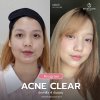
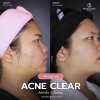
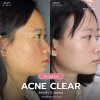
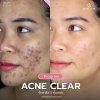
There are several approaches to acne management, including acne extraction, acne injections, topical skincare, and prescription medication.
However, the most appropriate treatment depends on the type of acne, the severity of the condition, the patient’s skin type, and the underlying factors contributing to repeated breakouts.
At Seven Days Clinic, each patient receives an individualized skin assessment before treatment. The treatment plan is then designed to address the patient’s specific acne concerns rather than relying on a single treatment method for every case. Our approach includes:
- Detailed assessment of acne type and severity
- Personalized treatment planning by a physician
- Selection of treatments based on the patient’s skin condition
- Focus on both active acne and long-term skin health
- Support for restoring the skin barrier and improving skin balance
- Guidance on appropriate skincare and daily habits
- Follow-up care to monitor treatment progress
- Additional acne treatments or medication when medically appropriate
- Careful attention to hygiene and patient safety
Insert acne treatment reviews and before-and-after images here.
Acne can be managed through several approaches, including acne extraction, acne injections, topical skincare, and medication. However, selecting the right treatment based on the type and underlying causes of acne is essential for more effective and sustainable acne management.
The Acne Control Treatment Program is a comprehensive acne care option that uses a four-dimensional skin mechanism to reduce inflammation, rebalance the skin, support skin recovery, and strengthen the skin barrier.
It may be suitable for individuals experiencing persistent acne, recurring breakouts, clogged pores, inflammatory acne, or weakened and easily irritated skin.
For those struggling with chronic or recurring acne, a consultation with a physician at Seven Days Clinic can help identify the contributing factors and determine whether the Acne Control Treatment Program is appropriate for your skin.
 MakeWebEasy