Does What You Eat Affect Acne? The Surprising Truth Behind

Can Food Really Affect Acne?
What Foods May Trigger Breakouts, and What Foods Can Help Support Clearer Skin?
Can Food Really Affect Acne? What Foods May Trigger Breakouts, and What Foods Can Help Support Clearer Skin?
Recurring acne may not always be caused by your skincare routine—it could also be influenced by the foods you eat every day.
For people struggling with persistent or recurring acne, it is common to try various treatments, including changing skincare products, improving skincare habits, or undergoing aesthetic procedures. However, acne may continue to return because its causes are often complex and multifactorial.
Factors such as hormonal fluctuations, stress, and skin conditions—including oily skin, dry skin, or dehydrated skin—can contribute to the development of both comedonal acne and inflammatory acne.
However, for some individuals, acne is not solely related to skin type or skincare products. Daily dietary habits may also play a significant role. Certain foods have been associated with increased inflammation, higher sebum production, and a greater likelihood of acne flare-ups. As a result, acne may persist despite treatment if internal contributing factors are not addressed.
For long-term acne management, adopting healthy eating habits alongside a proper skincare routine may be beneficial. Individual results can vary depending on skin type, lifestyle, and how the body responds to different dietary factors.
In this article, Seven Days Clinic explores foods that may contribute to acne breakouts and foods that may help support the skin barrier and overall skin health. This information can serve as a helpful guide for those dealing with chronic acne, inflammatory acne, or recurring breakouts who want to support their skin from the inside out.
What Is Acne?
Acne is a common skin condition that develops when multiple factors affect the hair follicles and sebaceous (oil) glands. The primary causes include clogged pores, excessive sebum production, bacterial buildup, and inflammation within the skin.
Acne most commonly appears in areas with a high concentration of sebaceous glands, such as the face, forehead, nose, chin, back, chest, and neck. These areas naturally produce more oil than other parts of the body, making them more prone to breakouts.
While acne is often associated with adolescence, it can affect people of all ages and may be influenced by genetics, hormones, lifestyle factors, and dietary habits. Understanding these contributing factors is an important step toward achieving healthier, clearer-looking skin.
Is There Really a Connection Between Food and Acne?
Although there is currently no conclusive scientific evidence proving that any specific food can directly cure acne, research suggests that certain dietary factors may contribute to acne development in some individuals. Because skin type, genetics, hormones, and individual responses to food vary from person to person, there is no universal rule that guarantees a particular food will clear acne.
However, certain foods may influence the biological processes involved in acne formation, especially in people who are already prone to breakouts. The relationship between diet and acne can also depend on factors such as the amount consumed, frequency of consumption, and overall eating habits, as well as other lifestyle and environmental factors. Therefore, identifying personal triggers and maintaining a balanced diet may be an important part of acne management.
While acne is a complex condition with multiple contributing factors, several diet-related mechanisms have been commonly associated with acne development.
1. Blood Sugar Levels and Insulin
Foods with a high glycemic index (GI), such as sugary snacks, soft drinks, and refined carbohydrates, can cause blood sugar levels to rise rapidly. In response, the body releases insulin to regulate blood glucose levels.
Elevated insulin levels may stimulate the production of Insulin-like Growth Factor-1 (IGF-1), a hormone that can increase sebum (oil) production and accelerate skin cell turnover. These changes may contribute to clogged pores, increasing the risk of both comedonal acne and inflammatory acne.
2. Inflammation in the Body
Highly processed foods, foods high in added sugar, trans fats, and fast food may promote inflammation throughout the body. This inflammatory response can also affect the skin, potentially worsening existing acne and increasing the likelihood of inflammatory breakouts.
In addition, inflammation may slow the skin's natural healing process, causing acne lesions to persist longer and making the skin more susceptible to future breakouts.
3. Dairy Products
For some individuals, consuming dairy products—particularly skim milk—may be associated with an increased risk of acne.
Researchers believe this connection may be related to naturally occurring hormones in milk, as well as certain milk proteins that can stimulate sebaceous gland activity and increase IGF-1 levels. These effects may contribute to acne development in susceptible individuals.
It is important to note that dairy does not affect everyone in the same way, and not all people with acne need to avoid dairy products.
4. Imbalance of Dietary Fats
A diet high in omega-6 fatty acids, commonly found in certain vegetable oils and processed foods, compared with omega-3 fatty acids, found in fatty fish, nuts, and seeds, may promote inflammatory processes in the body.
When this imbalance occurs, the skin may become more prone to inflammation, potentially increasing the risk of inflammatory acne. Maintaining a healthier balance between omega-3 and omega-6 fatty acids may help support overall skin health and reduce inflammation-related skin concerns.
Foods That May Contribute to Acne Breakouts
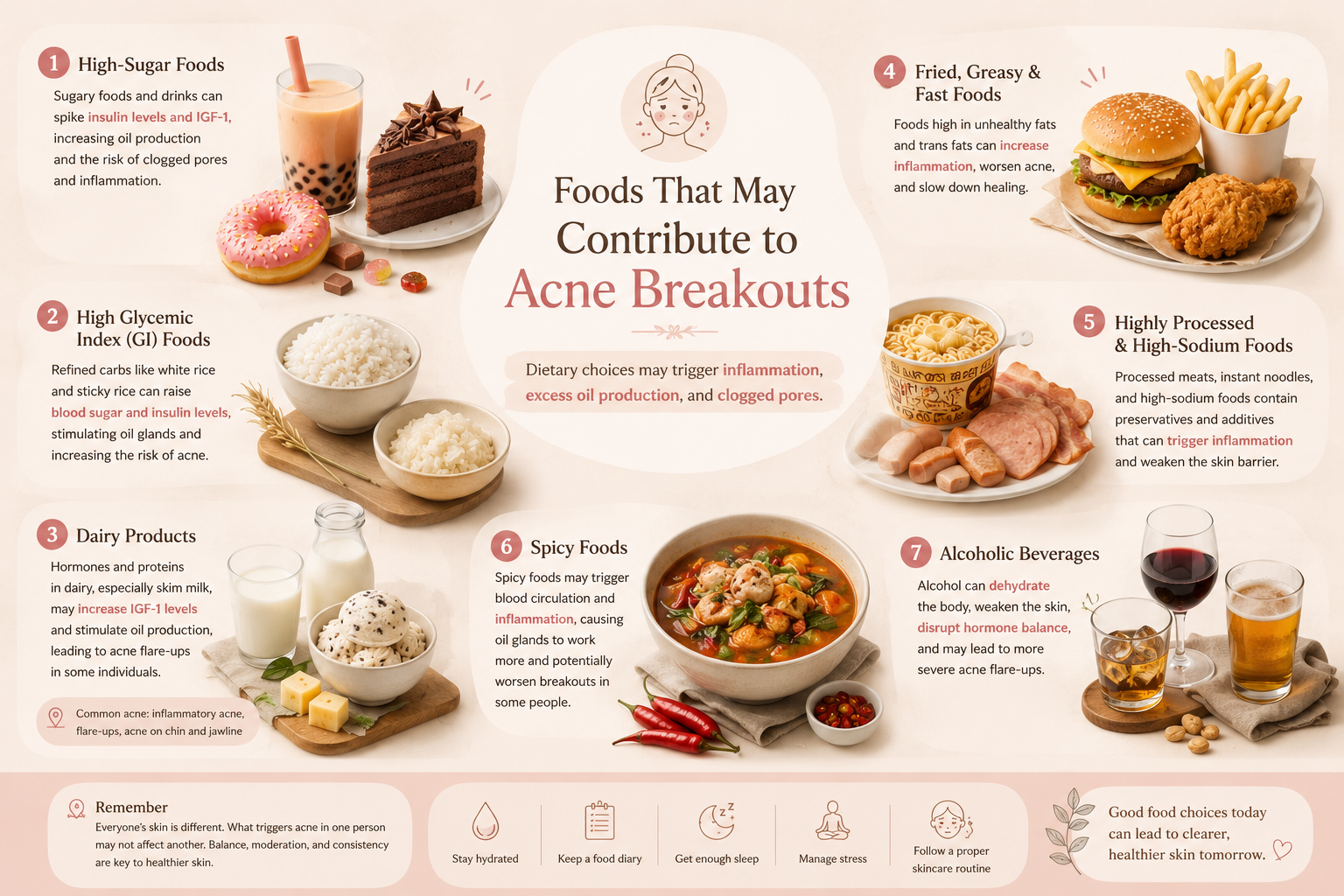
While food is not the sole cause of acne, certain dietary habits may trigger breakouts or worsen existing acne in some individuals. Below are some foods that have been commonly associated with acne development.
1. High-Sugar Foods
Foods and beverages that contain large amounts of sugar, such as desserts, cakes, pastries, sweetened drinks, bubble tea, and soft drinks, may contribute to acne formation.
When consumed in excess, sugar can cause a rapid increase in blood sugar levels, leading to higher insulin production. Elevated insulin levels may stimulate the release of Insulin-like Growth Factor-1 (IGF-1), which can increase sebum production and contribute to clogged pores. As a result, both comedonal acne and inflammatory acne may become more likely.
2. High-Glycemic Index (GI) Foods
Examples of high-glycemic foods include white rice, sticky rice, white bread, and other refined carbohydrates.
These foods are digested quickly, causing blood sugar and insulin levels to rise rapidly. This process may stimulate oil glands and increase skin cell turnover, which can lead to clogged pores and a higher risk of acne breakouts, particularly when consumed frequently or in large amounts.
3. Dairy Products
Certain dairy products, especially skim milk, have been linked to acne in some individuals. Other dairy-containing foods include cheese, yogurt, and ice cream.
Researchers believe that naturally occurring hormones and proteins found in cow's milk may increase IGF-1 levels and stimulate sebaceous gland activity. This may contribute to increased oil production and make inflammatory acne flare-ups more likely in acne-prone individuals.
Commonly observed acne patterns: inflammatory acne, frequent breakouts, and acne around the chin and jawline.
4. Fried, Greasy, and Fast Foods
Foods such as fried chicken, French fries, burgers, and other heavily fried or oily meals are often associated with worsening acne symptoms.
These foods may contain trans fats and highly processed ingredients that can promote inflammation within the body. Increased inflammation may cause existing acne to become more severe, delay the healing process, and increase the likelihood of developing new breakouts.
5. Highly Processed and High-Sodium Foods
Examples include sausages, ham, bacon, instant noodles, and other processed foods.
These products often contain high levels of sodium, preservatives, and additives that may contribute to inflammation. Excessive consumption may affect the skin's natural barrier function, making it more difficult for the skin to recover and maintain overall skin health.
6. Spicy Foods
Many people enjoy spicy foods, but for some individuals, they may contribute to acne flare-ups.
Although spicy foods are not considered a direct cause of acne, they may increase blood circulation and promote inflammatory responses in susceptible individuals. In some cases, they may also stimulate sebaceous gland activity, potentially making breakouts more noticeable.
7. Alcoholic Beverages
Alcohol consumption may indirectly affect acne by contributing to dehydration and disrupting the body's natural balance.
When the skin becomes dehydrated, it may appear dull, irritated, and more vulnerable to inflammation. In addition, alcohol can influence hormone regulation and overall skin health, which may increase the likelihood of acne flare-ups in some individuals.
Not everyone will react to these foods in the same way. Foods that trigger acne in one person may have little or no effect on another. If you suspect certain foods are contributing to your breakouts, consider monitoring your diet and observing changes in your skin over time. A balanced diet, healthy lifestyle habits, and an appropriate skincare routine remain essential components of long-term acne management.
Foods That May Help Support Clearer Skin
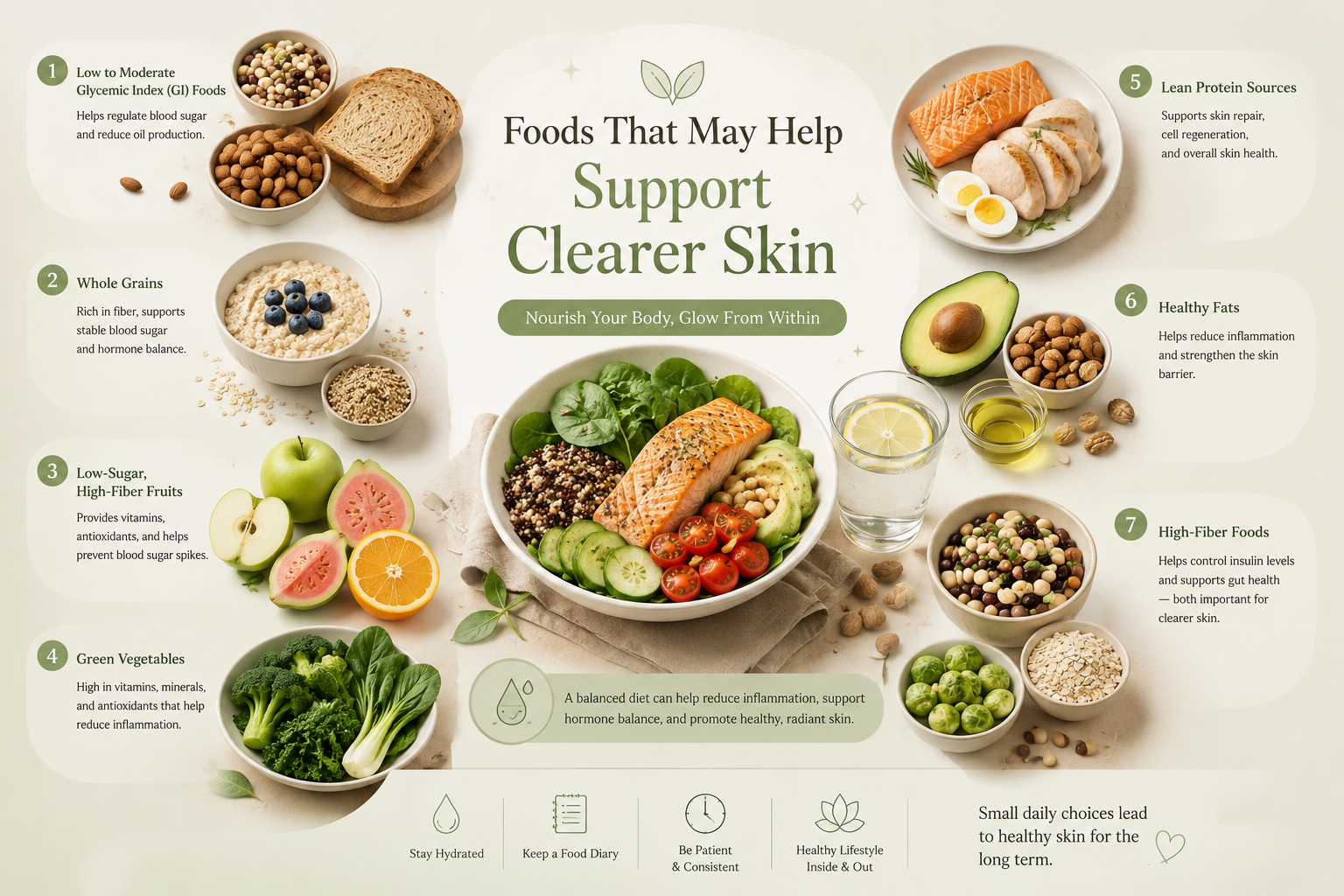
Choosing a balanced diet may play a role in maintaining healthy skin and supporting long-term acne management. In particular, foods with a low to moderate Glycemic Index (GI) may help regulate blood sugar and insulin levels, which are factors associated with acne development.
While no food can guarantee the elimination of acne, the following nutrient-rich foods may help support overall skin health and reduce factors that contribute to breakouts.
1. Low to Moderate Glycemic Index (GI) Foods
These foods release glucose into the bloodstream more gradually, helping to prevent sharp spikes in blood sugar and insulin levels. Stable insulin levels may reduce excessive stimulation of the sebaceous glands, which can contribute to acne formation. Examples include:
- Almonds
- Beans and legumes
- Whole-grain bread
- Riceberry rice
- Other low-GI grains
2. Whole Grains
Whole grains are rich in dietary fiber and essential nutrients that help support healthy blood sugar regulation and overall hormonal balance. Examples include:
- Oats
- Quinoa
- Brown rice
- Whole-grain cereals
Adding whole grains to your diet may help maintain more stable energy levels while supporting overall skin health.
3. Low-Sugar, High-Fiber Fruits
Fruits that are naturally lower in sugar and higher in fiber may help slow sugar absorption while providing vitamins and antioxidants that support skin repair and protection. Examples include:
- Guava
- Apples
- Oranges
- Pears
- Berries
These fruits also provide important nutrients such as vitamin C, which supports collagen production and skin health.
4. Green Vegetables
Leafy greens and green vegetables are packed with vitamins, minerals, antioxidants, and plant compounds that may help reduce inflammation and support healthy skin function. Examples include:
- Kale
- Broccoli
- Spinach
- Bok choy
- Other leafy green vegetables
Regular consumption of vegetables can contribute to a well-balanced diet that supports overall skin wellness.
5. Lean Protein Sources
Protein is essential for skin repair, tissue regeneration, and maintaining a strong skin barrier. Examples include:
- Lean poultry
- Fish
- Eggs
- Tofu
- Legumes
Adequate protein intake helps provide the building blocks needed for healthy skin renewal.
6. Healthy Fats
Healthy fats may help reduce inflammation and strengthen the skin's natural protective barrier. Unlike trans fats, these fats are generally considered beneficial for overall health and skin function. Examples include:
- Avocados
- Nuts
- Seeds
- Olive oil
- Fatty fish such as salmon and mackerel
Many healthy fats also contain omega-3 fatty acids, which are known for their anti-inflammatory properties.
7. High-Fiber Foods
Fiber plays an important role in supporting healthy digestion and maintaining balanced blood sugar and insulin levels. Since elevated insulin levels may influence hormonal pathways linked to acne development, consuming enough fiber may help support clearer skin. Examples include:
- Oats
- Beans
- Lentils
- Chickpeas
- Vegetables
- Whole grains
A fiber-rich diet may also contribute to overall metabolic health, which can indirectly benefit skin condition.
Additional Tips for Managing Acne Effectively
Achieving clearer skin is not solely dependent on diet. Effective acne management requires a combination of healthy eating habits, proper skincare, and a balanced lifestyle.
- Stay Hydrated
Drinking enough water is essential for overall skin health. Aim for at least 8–10 glasses of water per day to help maintain skin hydration, support the body's natural detoxification processes, and promote healthy skin recovery. - Keep a Food Diary
Tracking your daily meals can help identify potential dietary triggers that may contribute to acne flare-ups. Pay attention to:
- Foods that seem to worsen breakouts
- Foods that may help improve your skin
- Patterns between dietary habits and skin changes
A food diary can help you discover your personal acne triggers and make more informed dietary choices.
- Address Other Contributing Factors
Diet is only one piece of the puzzle. Other lifestyle factors can also play a significant role in acne development and recurrence, including:
- Getting enough sleep
- Managing stress levels
- Cleansing the skin properly
- Using skincare products that are appropriate for your skin type
- Maintaining a consistent skincare routine
By addressing these factors together, you can create a more comprehensive approach to acne prevention and skin health.