
Fractional CO2 Laser Program
for Acne Scar Treatment
Fractional CO2 Laser for Acne Scar Treatment
An Effective Option for Smoother, Healthier-Looking Skin
Acne scars are one of the most common skin concerns that can affect self-confidence long after active acne has resolved. While acne itself may disappear, the scars it leaves behind—particularly deep or widespread atrophic scars—can remain visible for years.
Today, a variety of treatment options are available for acne scar management. One of the most widely used technologies is Fractional CO2 Laser, an advanced laser treatment designed to resurface the skin while stimulating new collagen production beneath the skin's surface.
Fractional CO2 laser treatment promotes the skin's natural healing process, encouraging collagen remodelling and skin regeneration. As a result, the skin gradually becomes smoother, and the depth of acne scars can be reduced over a series of treatments performed under the supervision of an experienced physician.
In this article, Seven Days Clinic will introduce you to Fractional CO2 Laser for acne scar treatment, including how it works, its benefits, who is suitable for the treatment, and essential pre- and post-treatment care.
What Are Acne Scars
Acne scars are permanent textural changes that develop after inflammatory acne has healed. They occur when inflammation damages the skin's underlying tissue and collagen network. If the skin cannot produce sufficient collagen during the healing process, the affected area loses structural support, causing the skin to sink and form depressed scars.
Acne scars are commonly found in individuals with moderate to severe inflammatory acne, such as cystic acne or large inflammatory nodules. Picking, squeezing, or attempting to extract acne lesions can worsen inflammation, extending damage into deeper layers of the skin and increasing the likelihood of permanent scarring.
Although acne scars are not harmful to overall health, they can significantly affect skin texture, facial appearance, and self-confidence. The severity and appearance of acne scars vary depending on the type of acne, the extent of inflammation, and how the skin was cared for during the healing process.
Before beginning any acne scar treatment—including Fractional CO2 Laser or other procedures—a comprehensive skin assessment by a qualified physician is recommended. Different types of acne scars respond best to different treatment approaches, making an accurate diagnosis essential for achieving optimal results.
Types of Acne Scars
Acne scars are generally classified into three main types, each with distinct characteristics and treatment considerations.
1. Rolling Scar
Rolling scars are broad, shallow depressions with gently sloping edges that give the skin an uneven or wavy appearance. They are primarily caused by fibrous bands (fibrotic adhesions) beneath the skin that tether the skin downward.
Among all acne scar types, Rolling scars typically respond best to Subcision, as the procedure is specifically designed to release these fibrous bands and reduce the tethering effect responsible for the depressed appearance.
2. Boxcar Scar
Boxcar scars are characterised by round or oval depressions with well-defined edges and a relatively flat base. They may range from shallow to deep and are usually caused by significant collagen loss over a broader area.
Treatment often depends on the depth of the scar and may involve a combination of procedures to achieve the best possible outcome.

3. Ice Pick Scar
Ice pick scars are narrow, deep scars that resemble puncture wounds made by a sharp object. Although the surface opening is small, these scars extend deep into the dermis, making them one of the most challenging acne scar types to treat.
Management of Ice pick scars often requires specialised procedures in combination with other treatment modalities, depending on the physician's assessment and the individual's skin condition.
What Causes Acne Scars
Acne scars develop when inflammation damages the skin's collagen and supporting tissue beneath the surface. During the healing process, the skin attempts to repair itself by producing new collagen. However, if collagen production is insufficient or uneven, the damaged area loses structural support, causing the skin to become depressed and form acne scars.
Factors That Increase the Risk of Developing Acne Scars
- Severe Inflammatory or Large Acne Lesions
Deep inflammatory acne, such as cystic acne or large inflammatory nodules, can damage the skin's underlying structure and collagen network. As the skin heals, this damage may result in permanent acne scars and depressed scars.
- Picking, Squeezing, or Popping Pimples
Picking or squeezing acne lesions improperly can worsen inflammation, spread bacteria, and increase damage to the surrounding skin tissue. This significantly raises the risk of developing permanent acne scars.
- Delayed or Inconsistent Acne Treatment
Leaving inflammatory acne untreated for an extended period or receiving inconsistent treatment may allow inflammation to penetrate deeper into the skin. This can lead to more extensive tissue damage and increase the likelihood of acne scar formation.
- Individual Collagen Production
Each person's skin heals differently. Some individuals naturally produce less collagen during the wound-healing process, making them more prone to developing acne scars—even when experiencing a similar severity of inflammatory acne.
- Genetics and Skin Characteristics
Genetic factors can influence how the skin responds to inflammation and how efficiently it repairs damaged tissue after acne. As a result, some individuals are naturally more susceptible to developing acne scars than others.
What Is a Fractional CO2 Laser for Acne Scar Treatment?
Fractional CO2 Laser is a non-surgical laser treatment that uses Fractional Carbon Dioxide (CO2) Laser technology to improve the appearance of acne scars and promote skin rejuvenation. The laser delivers thousands of microscopic treatment zones into the skin, stimulating the body's natural wound-healing response and encouraging new collagen production beneath the skin's surface.
As collagen continues to regenerate over time, depressed acne scars gradually become smoother, helping reduce scar depth and improve overall skin texture. In addition to treating acne scars, Fractional CO2 Laser also enhances overall skin quality by refining skin texture, improving smoothness, and promoting a healthier-looking complexion.
Treatment outcomes may vary from person to person depending on the type of acne scars, their severity, individual skin characteristics, and adherence to post-treatment care instructions. For optimal results, the treatment plan should always be customized following a comprehensive assessment by a qualified physician.
How Does Fractional CO2 Laser Work for Acne Scar Treatment?
Fractional CO2 Laser uses a 10,600-nanometre carbon dioxide (CO2) laser wavelength, which is highly absorbed by water within the skin. This allows the laser energy to be delivered precisely into targeted areas while minimising damage to the surrounding tissue.

The treatment works by delivering thousands of microscopic laser beams into the skin using Fractional Laser Technology. These tiny treatment zones create controlled micro-injuries that stimulate the skin's natural wound-healing response while leaving the surrounding healthy tissue intact. This fractional approach promotes faster healing and skin regeneration.
As the skin repairs itself, new collagen and elastin are produced beneath the surface. Over time, this collagen remodelling helps reduce the depth of acne scars, smooth uneven skin texture, and improve overall skin quality.
Fractional CO2 Laser is commonly recommended for treating Boxcar scars and Rolling scars. Depending on the type and severity of acne scars, it may also be combined with other procedures as part of a personalised treatment plan recommended by a qualified physician to optimise treatment outcomes.
Who Is a Good Candidate for Fractional CO2 Laser?
Fractional CO2 Laser is suitable for individuals who wish to improve the appearance of acne scars while enhancing overall skin texture and quality. It is particularly beneficial for people with depressed acne scars caused by previous inflammatory acne.
This treatment may be suitable for individuals who
- Have mild to moderate acne scars
- Have Boxcar scars or Rolling scars
- Wish to stimulate natural collagen production for skin rejuvenation
- Have uneven skin texture caused by acne scarring
- Want smoother, more refined, and more even-looking skin
A thorough consultation with a qualified physician is recommended before treatment. An individualised assessment helps determine the type of acne scars and the most appropriate treatment plan for each patient's skin condition.
Benefits of Fractional CO2 Laser for Acne Scar Treatment
Fractional CO2 Laser is one of the most widely used laser treatments for acne scars because it promotes collagen regeneration while improving overall skin texture and quality.
- Stimulates Natural Collagen Production
The laser creates controlled microthermal treatment zones that activate the skin's natural healing process. This encourages the production of new collagen and elastin, helping strengthen the skin's underlying structure and improve skin texture over time.
- Helps Reduce the Appearance of Acne Scars
As collagen continues to regenerate, depressed acne scars gradually appear shallower. This results in smoother skin and a more even complexion following a series of treatments.
- Improves Overall Skin Quality
In addition to improving acne scars, Fractional CO2 Laser helps refine skin texture, reduce roughness, and promote smoother, healthier-looking skin.
- Fractional Technology Supports Faster Skin Recovery
Because the laser treats the skin in microscopic columns while leaving surrounding tissue intact, healthy skin cells help accelerate the healing process. This fractional approach promotes more efficient skin recovery compared with traditional fully ablative laser resurfacing.
How to Prepare Before Fractional CO2 Laser Treatment
Proper preparation before Fractional CO2 Laser treatment can help optimize treatment outcomes and minimise the risk of skin irritation. Before your appointment, it is recommended to:
- Schedule a consultation with a qualified physician for a comprehensive skin assessment and personalised treatment plan.
- Avoid excessive sun exposure or activities that may cause sunburn before the procedure.
- Discontinue the use of potentially irritating skincare products, such as retinoids, exfoliating acids (AHAs/BHAs), or other resurfacing products, as advised by your physician.
- Inform your physician about any medical conditions, medication allergies, current medications, or supplements you are taking.
- Keep your skin clean and well-hydrated, and ensure you get adequate rest before your treatment
Post-Treatment Care After Fractional CO2 Laser
Following Fractional CO2 Laser treatment, it is normal to experience temporary redness, warmth, mild swelling, or the formation of tiny crusts (micro-scabs) as part of the skin's natural healing process.
To support recovery and achieve optimal results, it is recommended to:
- Follow your physician's post-treatment instructions carefully.
- Avoid picking, scratching, or rubbing the treated area.
- Apply prescribed moisturisers or medications as directed.
- Avoid direct sun exposure and use a broad-spectrum sunscreen once approved by your physician.
- Avoid skincare products that may irritate the skin during the initial healing period, including exfoliating acids and retinoids.
- Refrain from activities that expose the skin to excessive heat, such as saunas, steam rooms, hot baths, or strenuous exercise during the early recovery period.
Proper aftercare supports the skin's healing process, promotes collagen remodelling, and helps maximise the effectiveness of your personalised treatment plan.
What to Expect After Fractional CO2 Laser Treatment

Fractional CO2 Laser Before & After Reviews
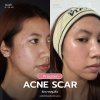
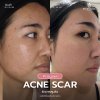
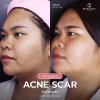
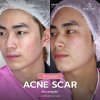
Every patient's acne scars are unique in terms of scar type, depth, and severity. For this reason, a personalized assessment by a qualified physician is essential to determine the most appropriate treatment strategy.
Depending on your skin condition, Fractional CO2 Laser may be recommended as a standalone treatment or combined with other procedures—such as Subcision, TCA CROSS, or collagen-stimulating treatments—to optimize overall results.
If you are concerned about acne scars and would like personalised advice, the medical team at Seven Days Clinic is available to assess your skin, discuss your treatment options, and develop a customised acne scar treatment plan tailored to your individual needs.
 MakeWebEasy