
Mounja Program
Appetite Control and Comprehensive Weight
Management Support
Mounja Program
Appetite Control and Comprehensive Weight Management Support
Today, being overweight or living with obesity is not only a matter of physical appearance. Excess body weight can also be associated with various health concerns and an increased risk of certain chronic conditions. As a result, more people are becoming increasingly aware of the importance of weight management through healthy eating habits, regular physical activity, and overall lifestyle improvement.
While a balanced diet and regular exercise remain essential foundations of weight management, lifestyle modification alone may not be sufficient for everyone, and meaningful changes can take time. In certain individuals, a doctor may consider additional treatment options based on factors such as body weight, Body Mass Index (BMI), overall health, underlying medical conditions, and individual suitability.
The Mounja Program is an option designed to support weight management under medical assessment and supervision. The program may help regulate appetite, promote earlier satiety, and help individuals feel full for longer, making it easier to manage food intake when combined with appropriate dietary choices, regular exercise, and long-term lifestyle modifications.
Today, Seven Days Clinic will introduce you to the Mounja Program, including what it is, how it works, and important information to consider before starting the program.
What Is the Mounja Program?
The Mounja Program is a medically supervised weight management program involving a once-weekly subcutaneous injection containing Tirzepatide as its active ingredient.
Tirzepatide acts on both GIP (Glucose-Dependent Insulinotropic Polypeptide) and GLP-1 (Glucagon-Like Peptide-1) receptors. These hormonal pathways are involved in the regulation of blood glucose, appetite, and food intake.
Through these mechanisms, Tirzepatide may help:
- Reduce feelings of hunger — Helping individuals manage their appetite more effectively.
- Promote earlier satiety — Making it easier to control portion sizes during meals.
- Increase feelings of fullness — Helping reduce the desire to eat between meals.
- Reduce overall food intake — Supporting weight management when combined with appropriate lifestyle modifications.
Tirzepatide also affects blood glucose regulation and delays gastric emptying. Its effect on gastric emptying is most pronounced after the initial dose and generally diminishes with continued treatment.
Therefore, the Mounja Program should be considered a supportive tool for weight management, rather than a replacement for healthy lifestyle habits. Appropriate nutrition, regular physical activity, and sustainable behavioral changes remain important components of long-term weight management.
Tirzepatide should be used under medical assessment and supervision. The appropriate dosage, treatment duration, individual suitability, and potential side effects may vary from person to person. A medical consultation is therefore necessary before starting treatment.
How Does the Mounja Program Work?
The Mounja Program involves a once-weekly subcutaneous injection containing Tirzepatide as its active ingredient. Tirzepatide acts as a dual GIP and GLP-1 receptor agonist, activating the receptors of two naturally occurring incretin hormones: GIP (Glucose-Dependent Insulinotropic Polypeptide) and GLP-1 (Glucagon-Like Peptide-1).
These hormones are naturally released in response to food intake and play important roles in regulating blood glucose, appetite, and food intake.
Tirzepatide works through several mechanisms, including:
1. Helps Regulate Appetite and Food Intake
Tirzepatide acts on pathways involved in appetite regulation, helping to reduce food intake and support appetite control. As a result, individuals may experience:
- Reduced feelings of hunger
- Earlier satiety during meals
- Reduced appetite and desire to eat between meals
These effects may make it easier to manage portion sizes and overall calorie intake as part of a structured weight management plan.
2. Delays Gastric Emptying
Tirzepatide can delay gastric emptying, meaning food moves from the stomach into the small intestine more slowly. This effect may contribute to increased feelings of fullness, particularly during the initial stages of treatment.
The effect on gastric emptying is most pronounced after the initial dose and generally diminishes with continued treatment.
3. Helps Regulate Blood Glucose Levels
Tirzepatide also plays an important role in blood glucose regulation through its effects on GIP and GLP-1 receptors. It can:
- Increase insulin secretion in a glucose-dependent manner when blood glucose levels are elevated
- Reduce glucagon secretion
- Help improve overall blood glucose control
Because its effects on insulin secretion are glucose-dependent, the response varies according to blood glucose levels.
Benefits of the Mounja Program
- Helps Control Appetite
Tirzepatide may help reduce hunger, promote earlier satiety, and increase feelings of fullness. These effects can make it easier to manage portion sizes and overall food intake as part of a weight management plan.
- Supports Structured Weight Management
By helping regulate appetite and food intake, the Mounja Program can support weight management when used appropriately alongside dietary modification, regular physical activity, and behavioral changes under medical supervision.
- Convenient Once-Weekly Injection
Tirzepatide is administered as a subcutaneous injection once a week, eliminating the need for daily injections. The appropriate dosage and dose-escalation schedule should be determined by a doctor based on individual suitability and response to treatment.
- Supports Blood Glucose Control
Tirzepatide acts on both GIP and GLP-1 receptors and can help improve blood glucose control through glucose-dependent insulin secretion and other metabolic mechanisms.
Tirzepatide was developed by Eli Lilly and Company and has been approved for specific medical indications, including the treatment of type 2 diabetes under certain product names and regulatory jurisdictions. Its approved indications may vary by product and country.
- Designed to Complement Lifestyle Modification
The Mounja Program should not be considered a replacement for healthy lifestyle habits. Instead, it is intended to be used as part of a comprehensive approach that includes appropriate nutrition, regular physical activity, behavioral modification, and ongoing medical supervision.
Individual results may vary. The suitability of Tirzepatide, as well as the appropriate dosage and treatment duration, should be determined by a qualified medical professional based on each individual's health status and treatment goals.
Who Is the Mounja Program Suitable For?
The Mounja Program may be considered for adults who require medical support for weight management. Suitability should be determined by a doctor based on BMI, weight-related health conditions, medical history, current medications, and individual treatment goals.
The program may be considered for:
- Individuals with a BMI of 30 kg/m² or higher who meet the criteria for obesity.
- Individuals with a BMI of 27 kg/m² or higher with at least one weight-related health condition, such as type 2 diabetes, high blood pressure, or dyslipidemia.
- Individuals who need additional support with appetite and food intake as part of a structured weight management plan.
- Individuals seeking a non-surgical approach to weight management, when medically appropriate.
Meeting BMI criteria alone does not necessarily mean that Tirzepatide is appropriate for everyone. A medical assessment is required before starting treatment.
Who Should Not Use or May Not Be Suitable for the Mounja Program?
Although the Mounja Program may support appetite regulation and weight management in appropriately selected individuals, Tirzepatide is not suitable for everyone. A medical consultation is essential before treatment, particularly for individuals in the following groups:
- Individuals Who Do Not Meet Medical Criteria for Weight Management Treatment
Individuals with a normal BMI who wish to lose only a small amount of weight for cosmetic purposes may not be appropriate candidates for pharmacological weight management. A doctor should assess whether medication is medically indicated.
- Pregnant or Breastfeeding Women
Tirzepatide is not recommended for weight management during pregnancy. Individuals who are pregnant, planning to become pregnant, or breastfeeding should inform their doctor before considering treatment.
- Individuals with a Personal or Family History of Certain Thyroid Cancers
Tirzepatide is contraindicated in individuals with a personal or family history of Medullary Thyroid Carcinoma (MTC) or individuals with Multiple Endocrine Neoplasia syndrome type 2 (MEN 2).
- Individuals with a History of Pancreatitis
Individuals with a history of pancreatitis should inform their doctor before treatment. A detailed medical assessment is necessary to evaluate potential risks and determine whether Tirzepatide is appropriate.
- Individuals with Severe Gastrointestinal Conditions
Tirzepatide is generally not recommended for individuals with severe gastroparesis or certain severe gastrointestinal conditions because it can affect gastric emptying and may worsen gastrointestinal symptoms.
- Children and Adolescents
The appropriate use of Tirzepatide in children and adolescents depends on the specific product, approved indication, age group, and local regulatory approval. Treatment should therefore only be considered following assessment by an appropriately qualified medical professional.
The suitability of the Mounja Program varies from person to person. Before starting treatment, the doctor should review the patient's medical history, current medications, BMI, weight-related health conditions, and potential contraindications to determine an appropriate and safe treatment plan.
How to Prepare Before Starting the Mounja Program
To support safe and appropriate treatment, patients should undergo a medical assessment and prepare accordingly before starting the Mounja Program.
1. Undergo a Medical Assessment
Before starting treatment, a doctor will evaluate your overall health and determine whether Tirzepatide is appropriate for you. The assessment may include:
- Measuring weight and height and calculating Body Mass Index (BMI)
- Reviewing existing medical conditions and overall health
- Checking blood glucose levels and other laboratory tests when medically indicated
- Informing the doctor of any known drug allergies
- Providing a complete list of current medications, supplements, and other treatments
2. Provide a Complete Medical History
Patients should inform their doctor about their medical history, particularly if they have or have previously experienced:
- Pancreatitis
- Thyroid conditions, especially a personal or family history of Medullary Thyroid Carcinoma (MTC) or MEN 2
- Gastrointestinal conditions, particularly severe gastroparesis
- Pregnancy, breastfeeding, or plans to become pregnant
This information is important for determining whether Tirzepatide is appropriate and safe for each individual.
3. Understand the Treatment Program
Before starting the Mounja Program, it is important to have realistic expectations about treatment.
- The program is a supportive tool for weight management, not a rapid or instant weight-loss solution.
- Treatment should be combined with appropriate nutrition, regular physical activity, and long-term behavioral changes.
- Gastrointestinal side effects may occur, particularly when starting treatment or increasing the dose. These may include nausea, diarrhea, constipation, vomiting, abdominal discomfort, or decreased appetite.
- The dosage should be adjusted only according to the doctor's treatment plan.
4. Prepare for the Day of Injection
- Fasting is generally not required for the injection unless otherwise instructed by your doctor or required for other tests.
- Maintain adequate hydration throughout the day.
- Get sufficient rest and follow any additional instructions provided by your doctor.
Aftercare and Lifestyle Recommendations During the Mounja Program
After starting the Mounja Program, appropriate lifestyle habits can help support weight management and may make gastrointestinal side effects easier to manage while the body adjusts to treatment.

1. Adjust Your Eating Habits
- Eat appropriate portion sizes and avoid continuing to eat when you already feel full.
- Consider smaller meals if you experience early satiety.
- Avoid large meals and foods that are very high in fat or heavily fried, particularly if they worsen nausea or digestive discomfort.
- Include adequate protein, vegetables, and other nutrient-dense foods as part of a balanced diet.
- Eat slowly and pay attention to your body's hunger and fullness signals.
2. Maintain Adequate Hydration
Drink water regularly throughout the day, particularly if you experience vomiting or diarrhea. Maintaining adequate hydration is important because gastrointestinal side effects can increase the risk of dehydration.
3. Monitor for Side Effects
Common side effects associated with Tirzepatide may include:
- Nausea
- Decreased appetite or early satiety
- Diarrhea
- Constipation
- Vomiting
- Abdominal discomfort or indigestion
Gastrointestinal symptoms are often more noticeable during the early stages of treatment or following dose escalation and may improve over time.
If symptoms are severe, persistent, or unusual, patients should contact their doctor. Severe or persistent abdominal pain, particularly if it radiates to the back and may be accompanied by vomiting, requires prompt medical assessment, as this can be a symptom of pancreatitis.
4. Exercise Appropriately
Regular physical activity should be incorporated into the weight management plan according to individual health and fitness levels.
A combination of aerobic exercise and resistance training may be beneficial. Resistance or strength training is particularly important during weight loss because it can help support the maintenance of muscle mass.
The appropriate type and intensity of exercise should be individualized, particularly for patients with underlying medical conditions or those who are new to regular exercise.
Possible Side Effects of the Mounja Program
As with other medications, Tirzepatide may cause side effects in some individuals. Gastrointestinal side effects are among the most commonly reported and may be more noticeable when starting treatment or following a dose increase. Many of these symptoms may improve as the body adjusts to the medication.
Common Side Effects
Common side effects may include:
- Nausea
- Decreased appetite or early satiety
- Abdominal discomfort or a feeling of fullness
- Diarrhea
- Constipation
- Vomiting
- Indigestion or abdominal bloating
Some gastrointestinal symptoms may be related in part to Tirzepatide's effects on the gastrointestinal system, including delayed gastric emptying. These symptoms may become less noticeable over time as the body adjusts to treatment.
Less Common but Important Side Effects to Monitor
Although less common, certain symptoms require medical attention, including:
- Severe or persistent vomiting, particularly if it prevents adequate fluid intake or causes signs of dehydration
- Severe or persistent abdominal pain, especially pain that may radiate to the back, with or without vomiting, which may be a sign of acute pancreatitis
- Symptoms of hypoglycemia, particularly in patients who use Tirzepatide together with insulin or certain medications that increase insulin secretion, such as sulfonylureas
- A lump or swelling in the neck, persistent hoarseness, difficulty swallowing, or shortness of breath, which should be evaluated by a doctor
- Symptoms of a severe allergic reaction, such as swelling of the face, lips, tongue, or throat, difficulty breathing, or a severe rash
Patients should contact their doctor if side effects are persistent, worsening, or concerning. If severe symptoms occur, particularly severe abdominal pain, difficulty breathing, or signs of a serious allergic reaction, seek immediate medical attention.
Do not change the dosage or discontinue Tirzepatide without medical advice, except when emergency medical care is required or when specifically instructed by a healthcare professional.
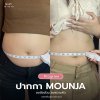
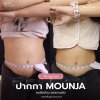
Review Mounja Program
 MakeWebEasy