
Skin Bright Program
Q-Switched Nd Laser
Skin Bright Program
Reduce Dark Spots, Acne Marks & Skin Pigmentation
with Q-Switched Nd Laser
If you're looking for an effective laser treatment to improve dark spots, melasma, freckles, post-acne pigmentation, or post-acne redness while achieving a brighter, more even-looking complexion, the Skin Bright Program may be an ideal option.
The Skin Bright Program utilizes Q-Switched Nd Laser technology, which is designed to target excess pigmentation beneath the skin's surface. By breaking down unwanted melanin deposits, the treatment helps improve the appearance of discoloration, leaving the skin looking clearer, smoother, and more radiant.
In this article, Seven Days Clinic explains everything you need to know about the Skin Bright Program, including how it works, its key benefits, the skin concerns it can address, and who may be suitable for the treatment, helping you make an informed decision based on your individual skin needs.
What Is the Skin Bright Program?
The Skin Bright Program is a laser-based skin rejuvenation treatment that utilizes Q-Switched Nd Laser technology to improve pigmentation-related skin concerns, including dark spots, post-acne marks (PIH), solar lentigines, freckles, uneven skin tone, and dull-looking skin caused by excess melanin accumulation.
The laser delivers high-energy pulses within extremely short durations that selectively target excess melanin without significantly affecting the surrounding skin tissue. The pigment is fragmented into microscopic particles, which are then gradually eliminated by the body's natural metabolic processes.
Because the laser energy is selectively absorbed by melanin, the treatment minimizes damage to surrounding healthy tissue while effectively improving pigmentation concerns.
In addition to reducing the appearance of dark spots and pigmentation, the Skin Bright Program helps enhance overall skin radiance, promotes a more even skin tone, and supports a healthier-looking complexion when performed as recommended by your physician.
What Is Melanin?
Melanin is the natural pigment produced by specialized skin cells called melanocytes, which are primarily located in the epidermis, the outermost layer of the skin. Melanin is responsible for determining the color of the skin, hair, and eyes while also serving as the skin's natural defense against ultraviolet (UV) radiation.
When the skin is exposed to sunlight, the body produces additional melanin to absorb UV rays and help protect the skin from sun-induced damage. This natural protective response is why the skin becomes darker after sun exposure.
However, when melanin is produced in excessive amounts or distributed unevenly, it can lead to various pigmentation concerns, including melasma, freckles, dark spots, post-inflammatory hyperpigmentation (PIH), and uneven skin tone.
What Causes Excess Melanin Production?
Melanin production can increase due to a variety of internal and external factors. Understanding these causes is essential for preventing pigmentation concerns and selecting the most appropriate treatment approach.
Common factors that contribute to excess melanin production include:
- Sun exposure and UV radiation – The primary trigger for melanin production. When exposed to ultraviolet (UV) rays, melanocytes produce more melanin to help protect the skin from sun damage.
- Skin inflammation or injury – Acne, picking at blemishes, skin irritation, and wounds can stimulate excess pigment production, resulting in post-inflammatory hyperpigmentation (PIH).
- Hormonal changes – Pregnancy, oral contraceptives, hormone replacement therapy (HRT), and hormonal imbalances may stimulate melanin production and contribute to the development of melasma.
- Aging – As the skin ages, melanin distribution may become uneven, leading to age spots (solar lentigines) and other pigmentation concerns.
- Genetics – Individuals with a family history of melasma or freckles are generally more susceptible to developing pigmentation disorders.
- Inappropriate skincare habits – Inconsistent sunscreen use, harsh skincare products, excessive exfoliation, or skin irritation may increase melanin activity and worsen pigmentation.
Understanding the underlying causes of excess melanin production allows for a more effective approach to pigmentation management. Preventive measures such as daily broad-spectrum sunscreen, avoiding known triggers, and following a personalized treatment plan can help minimize pigmentation concerns.
For individuals seeking professional care, the Skin Bright Program offers a targeted approach to improving dark spots, melasma, freckles, post-acne pigmentation, and uneven skin tone. At Seven Days Clinic, every treatment begins with a comprehensive skin assessment to ensure a personalized treatment plan tailored to each patient's unique skin condition and concerns.
How Does the Skin Bright Program Work?
The Skin Bright Program utilizes Q-Switched Nd Laser technology, which offers different laser wavelengths to target specific types of pigmentation based on their depth and location within the skin. Selecting the appropriate wavelength allows for a more precise and personalized treatment approach.
532 nm Wavelength (F50)
The 532 nm wavelength is designed to target superficial pigmentation located within the epidermis, the outermost layer of the skin. Because melanin in the epidermis readily absorbs this wavelength, it is well suited for improving the appearance of:
- Solar lentigines (sun spots)
- Freckles (Ephelides)
- Red, orange, and certain warm-colored tattoos
- Superficial epidermal pigmentation
1064 nm Wavelength (F50) (F50)
he 1064 nm wavelength penetrates deeper into the dermis, making it suitable for treating deeper pigmentation lesions that cannot be effectively targeted by shorter wavelengths.
It may be used to improve the appearance of:
- Hori's Nevus (Acquired Bilateral Nevus of Ota-like Macules)
- Nevus of Ota (in appropriate cases, based on physician evaluation)
- Black, blue, and dark green tattoos
- Deep dermal pigmentation
Your physician will evaluate the type of pigmentation, its depth, skin condition, and treatment goals before selecting the most appropriate laser wavelength to ensure a personalized and effective treatment plan.
Key Benefits of the Skin Bright Program
The Skin Bright Program utilizes advanced Q-Switched Nd Laser technology to improve a wide range of pigmentation concerns. By selecting the appropriate wavelength for each type of pigmentation, the treatment provides a more targeted and individualized approach.
Key benefits include:
- Dual-wavelength technology (532 nm & 1064 nm) for treating both superficial and deep pigmentation.
- Targets excess melanin with high precision while minimizing effects on surrounding healthy tissue.
- Helps improve the appearance of dark spots, freckles, melasma, post-acne pigmentation (PIH), and uneven skin tone.
- Supports a brighter, clearer, and more even-looking complexion.
- Personalized treatment parameters selected by a physician based on each individual's skin condition and pigmentation type.
What Can the Skin Bright Program Help Improve?
The Skin Bright Program is designed to improve a variety of pigmentation concerns, including:
Key benefits include:
- Reducing the appearance of dark spots.
- Improving post-acne hyperpigmentation (PIH) and post-acne redness (PIE).
- Treating solar lentigines (sun spots) and freckles (ephelides).
- Improving certain types of deep dermal pigmentation, such as Hori's Nevus, when clinically appropriate.
- Promoting a more even skin tone while reducing the appearance of accumulated pigmentation.
- Supporting smoother, brighter, and healthier-looking skin.
- Enhancing overall skin radiance and complexion.
- Improving the appearance of selected tattoo colors by choosing the appropriate laser wavelength based on the tattoo pigment.
Who Is a Good Candidate for the Skin Bright Program?
The Skin Bright Program may be suitable for individuals who:
- Have dark spots or uneven skin tone.
- Are concerned about post-acne pigmentation (PIH) or post-acne redness (PIE).
- Have solar lentigines, freckles, or Hori's Nevus.
- Experience dull skin caused by sun exposure or environmental factors.
- Wish to achieve a brighter, smoother, and more radiant complexion.
- Prefer a pigmentation treatment with minimal downtime.
- Are seeking laser tattoo removal for suitable tattoo colors.
Who Is Not a Suitable Candidate for the Skin Bright Program?
The Skin Bright Program may not be suitable for individuals who:
- Are pregnant or breastfeeding without prior consultation with a physician.
- Have open wounds, active skin infections, or inflammation in the treatment area.
- Have certain active skin conditions, such as infectious rashes or active herpes simplex (cold sores), in the treatment area.
- Have recently experienced significant sun exposure or sunburn.
- Are taking photosensitizing medications or using products that increase the skin's sensitivity to light. Patients should inform their physician before treatment.
- Have a history of keloid scarring or abnormal wound healing and should be evaluated by a physician before undergoing laser treatment.
- Have underlying medical conditions or are taking medications that may affect treatment safety or outcomes. A full medical history should be disclosed during the consultation.
How to Prepare for the Skin Bright Program
To help ensure optimal treatment outcomes and minimize the risk of skin irritation, it is recommended to follow these guidelines before undergoing the Skin Bright Program:
- Undergo a comprehensive skin assessment with a physician before every treatment session to evaluate your skin condition and pigmentation concerns.
- Avoid prolonged sun exposure and outdoor activities with intense sunlight before treatment.
- Apply a broad-spectrum sunscreen with SPF 30 or higher daily and minimize direct sun exposure.
- Discontinue the use of exfoliating or potentially irritating skincare products, such as AHA, BHA, retinoids (Vitamin A derivatives), or retinol, for approximately 3–7 days before treatment, or as advised by your physician.
- Inform your physician if you have open wounds, skin rashes, active acne, or skin infections in the treatment area.
- Provide your physician with your medical history, including medication allergies, underlying medical conditions, regular medications, and any previous laser treatments or aesthetic procedures.
- On the day of treatment, arrive with a clean face and avoid wearing heavy makeup so your physician can accurately evaluate your skin.
Aftercare for the Skin Bright Program
Following the recommended aftercare instructions can help support skin recovery and optimize treatment results.
- Avoid heat exposure, including direct sunlight, saunas, steam rooms, hot baths, and vigorous exercise for the first 24–48 hours after treatment.
- Apply a broad-spectrum sunscreen with SPF 30–50+ and PA+++ every day, and avoid prolonged direct sun exposure.
- Keep your skin well hydrated by using a gentle moisturizer to help reduce dryness and support the skin barrier.
- Avoid scrubbing, exfoliating, or using active skincare ingredients, such as AHA, BHA, retinoids, or retinol, for approximately 5–7 days, or as recommended by your physician.
- Do not pick, scratch, or rub the treated area. If small crusts or scabs develop, allow them to shed naturally.
- Makeup may be applied once redness or skin irritation has subsided, or according to your physician's recommendations.
- Stay well hydrated and get adequate rest to support the skin's natural healing process.
- If you experience unusual symptoms such as increasing pain, excessive swelling, severe redness, blistering, or symptoms that do not improve within the expected recovery period, contact your physician promptly for further evaluation.
Why Choose the Skin Bright Program at Seven Days Clinic?
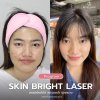
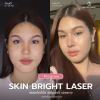
Dark spots, post-acne marks, freckles, and uneven skin tone are common pigmentation concerns caused by irregular melanin production. With an accurate skin assessment and an individualized treatment plan, these concerns can often be effectively managed over time.
The Skin Bright Program at Seven Days Clinic utilizes advanced Q-Switched Nd Laser technology, allowing physicians to select the most appropriate laser wavelength based on the type, depth, and location of pigmentation. This personalized approach helps improve the appearance of dark spots, post-acne pigmentation, freckles, and uneven skin tone, while promoting a clearer, smoother, and more radiant-looking complexion.
Because every patient's pigmentation concerns are unique in terms of underlying causes, pigment depth, and severity, a comprehensive consultation with one of our physicians is recommended before treatment. Our medical team will evaluate your skin condition and develop a personalized treatment plan tailored to your individual needs.
For optimal outcomes, patients are also advised to carefully follow all pre-treatment and post-treatment instructions, which can help support skin recovery and reduce the likelihood of future pigmentation concerns.
If you are looking for a professional solution to improve dark spots, post-acne marks, freckles, or uneven skin tone, we invite you to schedule a consultation with the physicians at Seven Days Clinic. Our team is committed to providing personalized skin assessments and customized treatment plans to help you achieve healthier, brighter, and more even-looking skin.
 MakeWebEasy