
Subcision Program
Subcision for Acne Scars
Subcision Program
Subcision for Acne Scars:
Releasing Fibrous Bands to Improve Depressed Acne Scars
Skin concerns come in many forms, but one of the most common and challenging conditions is acne scarring. Even after active acne has cleared, depressed acne scars may remain, affecting both skin texture and self-confidence.
Treating acne scars can be complex because each scar type has a different underlying cause and requires a tailored treatment approach. In many cases, treatment focuses only on the surface appearance while overlooking one of the primary causes of certain acne scars—fibrous bands (fibrotic adhesions) beneath the skin. These fibrous bands tether the skin downward, making acne scars appear deeper and more difficult to treat.
One of the most widely used treatment options for selected types of acne scars is Subcision. This minimally invasive procedure works by releasing the fibrous bands beneath the skin, helping to reduce the tethering effect responsible for certain depressed acne scars. Once these adhesions are released, the skin has the opportunity to heal more naturally, which may improve skin texture and the appearance of acne scars over time.
However, Subcision is not suitable for every type of acne scar, nor does it provide complete improvement after a single treatment session. Successful acne scar management usually requires a personalized treatment plan based on an individual's skin condition, scar type, and treatment goals. In many cases, multiple treatment modalities and ongoing care are recommended to achieve optimal long-term outcomes.
In this article, Seven Days Clinic will explain what Subcision is, how it works, and which types of acne scars are most suitable for this procedure, helping you make an informed decision before undergoing treatment.
What Are Acne Scars?
Acne scars are permanent textural changes that develop after inflammatory acne has healed. They occur when inflammation damages the skin and the underlying connective tissue, disrupting the skin's natural healing process. If collagen production during wound healing is insufficient or unbalanced, the affected area loses structural support, causing the skin to become depressed and form acne scars.
Acne scars are commonly found in individuals who have experienced moderate to severe inflammatory acne, including cystic acne or nodular acne. Picking, squeezing, or extracting pimples can worsen inflammation and extend damage into the dermis, increasing the likelihood of permanent acne scarring.
Although acne scars do not pose a direct health risk, they can significantly affect skin texture, facial appearance, and self-confidence. The depth and appearance of acne scars vary depending on the severity of acne, the individual's healing response, and how the acne was managed during the inflammatory stage.
For this reason, successful acne scar treatment begins with an accurate assessment of the type of acne scar, as each type has different underlying causes and responds best to different treatment approaches.
Types of Acne Scars
Acne scars are generally classified into three main types, each with distinct characteristics and treatment considerations.
1. Rolling Scar
Rolling scars are broad, shallow depressions with gently sloping edges that give the skin an uneven or wavy appearance. They are primarily caused by fibrous bands (fibrotic adhesions) beneath the skin that tether the skin downward.
Among all acne scar types, Rolling scars typically respond best to Subcision, as the procedure is specifically designed to release these fibrous bands and reduce the tethering effect responsible for the depressed appearance.
2. Boxcar Scar
Boxcar scars are characterised by round or oval depressions with well-defined edges and a relatively flat base. They may range from shallow to deep and are usually caused by significant collagen loss over a broader area.
Treatment often depends on the depth of the scar and may involve a combination of procedures to achieve the best possible outcome.

3. Ice Pick Scar
Ice pick scars are narrow, deep scars that resemble puncture wounds made by a sharp object. Although the surface opening is small, these scars extend deep into the dermis, making them one of the most challenging acne scar types to treat.
Management of Ice pick scars often requires specialised procedures in combination with other treatment modalities, depending on the physician's assessment and the individual's skin condition.
What Is Subcision?
Subcision is a minimally invasive procedure used to treat certain types of depressed acne scars, particularly those caused by fibrous bands (fibrotic adhesions) beneath the skin. These fibrous bands tether the skin downward, causing the surface to become depressed and creating the appearance of deep acne scars.
Subcision addresses the underlying cause of specific acne scar types rather than treating only the skin's surface. It is especially effective for acne scars associated with subdermal tethering. However, treatment outcomes vary depending on the type and severity of the acne scars, and Subcision is often incorporated into a personalised treatment plan that may include other procedures to optimise overall results.
Because acne scar remodelling takes time, multiple Subcision sessions may be recommended. Treatment should always be performed following a comprehensive assessment by a qualified physician to ensure the most appropriate approach for each individual's skin condition.
Which Types of Acne Scars Are Suitable for Subcision?
Subcision is considered the most effective treatment option for Rolling scars, as these scars are typically caused by fibrous bands beneath the skin that tether the underlying tissue and pull the skin surface downward. This results in broad, shallow depressions and an uneven skin texture.
By releasing these fibrous bands, Subcision reduces the downward tension on the skin, allowing the depressed area to gradually elevate as the skin undergoes its natural healing process. Over time, this can improve the appearance of acne scars and create a smoother skin surface.
Characteristics of Rolling Scars
- Broad, shallow depressions
- Poorly defined or sloping edges
- Uneven or wavy skin texture
- More noticeable when viewed from the side or under directional lighting
- Caused by fibrous bands (fibrotic adhesions) tethering the skin beneath the surface
In contrast, Boxcar scars and Ice pick scars are primarily associated with loss of collagen and underlying tissue, rather than fibrous tethering. As a result, these scar types often require different treatment modalities or combination therapies based on the physician's assessment.
In clinical practice, most patients present with a combination of different acne scar types rather than a single scar pattern. Therefore, a thorough skin assessment is essential to accurately classify the scars and develop a personalised treatment plan that addresses each scar type appropriately.
How Does Subcision Work?
The principle of Subcision involves inserting a specialised medical needle or blunt cannula beneath the skin to carefully release or divide the fibrous bands (fibrotic adhesions) that tether the scar to the underlying tissue. Once these adhesions are released, the downward tension is reduced, allowing the depressed skin to elevate more naturally.

In addition to mechanically releasing the scar, the controlled tissue injury created during the procedure stimulates the body's natural wound-healing response. This process promotes new collagen formation (neocollagenesis) and tissue remodelling within the treated area, contributing to gradual improvement in skin texture and acne scar appearance over time.
Because Subcision targets the underlying structural cause of Rolling scars, it addresses more than just the skin's surface. By releasing the fibrous bands beneath the skin while stimulating collagen remodelling, Subcision provides a foundation for more effective long-term improvement and is often combined with other acne scar treatments—such as Fractional CO2 Laser, TCA CROSS, microneedling, or collagen-stimulating injectables—to achieve optimal clinical outcomes.
Benefits of Subcision Treatment
Subcision is one of the most effective treatment options for Rolling acne scars caused by fibrous bands (fibrotic adhesions) beneath the skin. Unlike treatments that primarily improve the skin's surface, Subcision addresses the underlying structural cause of specific acne scars.
- Directly Releases Fibrous Bands Beneath the Skin
Subcision is specifically designed to release fibrous bands (fibrotic adhesions) that tether the skin downward. These adhesions are a major contributing factor in the development of Rolling scars, causing the skin to appear depressed and uneven.
- Particularly Effective for Rolling Scars
Rolling scars generally respond well to Subcision because this scar type is primarily caused by subdermal tethering rather than collagen loss alone. Releasing these fibrous bands helps reduce the tension beneath the skin and creates a better environment for tissue remodelling.
- Helps Improve Skin Texture
Once the fibrous bands have been released, the depressed area may gradually elevate as the skin undergoes its natural healing process. This can result in smoother skin texture and a softer appearance of acne scars over time.
- Can Be Combined with Other Acne Scar Treatments
Subcision is frequently incorporated into a combination acne scar treatment plan. Depending on the individual's scar type and severity, it may be performed alongside Fractional CO2 Laser, RF Microneedling, or other collagen-stimulating treatments to optimize overall clinical outcomes.
- Targets the Underlying Cause of Rolling Scars
Because Subcision focuses on fibrous bands beneath the skin, rather than only improving the skin surface, it addresses one of the primary causes of Rolling acne scars, making it an important treatment option for appropriately selected patients.
Expected Results of Subcision Treatment
Subcision is designed to address fibrotic adhesions beneath the skin, which are one of the primary causes of Rolling acne scars. Following treatment, patients may experience gradual improvement as the skin heals and remodels.

Potential treatment outcomes include:
- Helping release fibrous bands that tether depressed acne scars.
- Improving the appearance of Rolling acne scars by reducing skin tethering.
- Promoting a smoother and more even skin texture.
- Supporting the skin's natural wound-healing process.
- Stimulating new collagen formation (neocollagenesis) in the treated area.
- Improving overall skin irregularities caused by acne scarring.
- Enhancing treatment outcomes when combined with other acne scar procedures.
Treatment outcomes vary among individuals depending on the type of acne scars, their severity, the personalized treatment plan, and adherence to post-treatment care instructions.
How to Prepare Before Subcision Treatment
Proper preparation before Subcision helps optimize treatment safety and minimise the risk of complications. Before your procedure, it is recommended to:
- Inform your physician about your medical history, underlying health conditions, and current medications.
- Notify your physician of any drug allergies or previous reactions to local anaesthetics, if applicable.
- Temporarily discontinue medications, vitamins, or dietary supplements that may affect blood clotting, as advised by your physician.
- Avoid picking, squeezing, or manipulating acne lesions in the treatment area.
- Inform your physician if you have active inflammatory acne, skin infections, or open wounds before treatment.
- Stay well hydrated and ensure adequate rest before your appointment.
- Cleanse your face thoroughly before arriving for treatment.
- Avoid wearing heavy makeup on the day of the procedure.
- Follow all pre-treatment instructions provided by your physician.
Appropriate preparation allows your physician to develop the most suitable treatment plan and supports a smoother recovery following the procedure.
Post-Treatment Care After Subcision
Following Subcision, mild swelling, bruising, tenderness, or a feeling of tightness in the treated area is common and generally improves as healing progresses.
To support recovery, patients are advised to:
- Apply cold compresses during the first 24–48 hours, following your physician's instructions.
- Avoid touching, pressing, massaging, or rubbing the treated area.
- Do not pick or scratch bruised areas.
- Take all prescribed medications exactly as directed.
- Avoid strenuous physical activity or excessive sweating during the first 24–48 hours.
- Avoid saunas, steam rooms, and hot baths for approximately 7–10 days, or as advised by your physician.
- Avoid vigorous exercise until your physician confirms it is appropriate.
- Apply a broad-spectrum sunscreen daily and minimise direct sun exposure.
- Avoid exfoliating treatments, chemical peels, or other aesthetic procedures on the treated area until the skin has fully recovered.
- Attend all scheduled follow-up appointments so your physician can monitor your healing and treatment progress.
If you experience excessive swelling, increasing pain, persistent redness, signs of infection, or any unexpected symptoms, contact your physician or clinic promptly for further evaluation.
Subcision Treatment Reviews
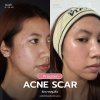
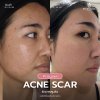
Subcision is an effective treatment option for selected Rolling acne scars, particularly when fibrous bands beneath the skin are the primary cause of scar tethering. By releasing these fibrotic adhesions, the procedure helps reduce tension beneath the skin while supporting the body's natural healing response and collagen remodelling.
Because every patient's acne scars differ in type, depth, severity, and skin characteristics, a personalized consultation with a qualified physician is essential before treatment. A comprehensive assessment allows the most appropriate treatment plan to be developed, which may include Subcision alone or in combination with other acne scar treatments for optimal results.
If you are concerned about acne scars and would like personalised advice regarding Subcision Treatment, the medical team at Seven Days Clinic is available to assess your skin, discuss your treatment options, and create an individualised treatment plan tailored specifically to your needs.
 MakeWebEasy