
TCA CROSS Program
Targeted Treatment for Deep Acne Scars
TCA CROSS Program
Targeted Treatment for Deep Acne Scars with TCA CROSS to Support Skin Remodeling from Within
Acne scars are among the most common skin concerns because treatment often requires time, consistency, and a personalized approach. There are several types of acne scars, and each type may require a different treatment technique depending on its depth, shape, and underlying skin structure.
In particular, ice pick scars are narrow, deep acne scars that often require a highly targeted treatment method. One widely used technique for this type of scar is TCA CROSS treatment.
In this article, Seven Days Clinic explains what TCA CROSS is, how it works, who it may be suitable for, and what patients should know before undergoing treatment.
What Is TCA CROSS Treatment?
TCA CROSS, or the Trichloroacetic Acid Chemical Reconstruction of Skin Scars technique, is a targeted acne scar treatment that involves applying an appropriate concentration of trichloroacetic acid (TCA) directly to the base of individual acne scars.
Unlike a chemical peel, TCA CROSS is not applied across the entire face. The solution is placed precisely inside each selected scar.
The purpose of TCA CROSS is to create a controlled response that stimulates the skin’s natural repair process and supports new collagen production beneath the scar. Over time, this process may help the acne scar appear shallower and improve the overall texture of the skin.
How Does TCA CROSS Work?

TCA CROSS uses trichloroacetic acid, commonly in concentrations ranging from approximately 50% to 100%, which is carefully applied directly to the base of each acne scar. The concentration and technique should be selected by a qualified medical professional based on the patient’s skin type and scar condition.
When TCA comes into contact with the scar tissue, it creates a controlled chemical injury within the targeted area. This activates the body’s natural wound-healing and skin-repair process.
The main processes involved include:
- Stimulating fibroblast activity beneath the skin
- Supporting the production of new collagen and elastin
- Repairing damaged skin structures within the acne scar
- Gradually improving the depth and appearance of the scar from within
TCA CROSS can be especially suitable for ice pick scars, which have narrow openings and extend deeply into the skin. The targeted application allows the acid to reach the base of the scar more precisely than some treatments that work broadly across the skin’s surface.
As collagen production and skin remodeling continue, the treated scars may gradually appear shallower, and the surrounding skin may look smoother and more even.
Benefits of TCA CROSS Treatment
Potential benefits of TCA CROSS treatment include :
- Targets deep acne scars, particularly ice pick scars
- Stimulates collagen production beneath the skin
- Treats individual scars without applying acid to the entire face
- May be combined with laser treatments or subcision when appropriate
- May help treat acne scars that respond poorly to general resurfacing treatments
- Supports gradual skin remodeling and texture improvement

What Types of Acne Scars Are Suitable for TCA CROSS?
TCA CROSS is most commonly used for ice pick scars, also known as narrow, deep-pitted acne scars.
These scars can be difficult to improve with other treatments because they extend deeply into the skin while having only a small opening on the surface. The precise application of TCA allows the treatment to target the deeper base of the scar.
In some cases, TCA CROSS may also be considered for certain narrow or deep boxcar scars. A medical assessment is necessary to determine whether the technique is suitable for each individual scar.
Why Are Ice Pick Scars Difficult to Treat?
Ice pick scars typically have the following characteristics
- They are extremely deep and narrow
- The opening at the skin’s surface is small
- The scar extends deeply into the dermis
- The deeper skin structure has been significantly damaged
Because of their depth and narrow shape, laser treatment alone may not always reach the base of the scar with sufficient precision.
TCA CROSS is therefore often used to deliver a controlled chemical stimulus directly into the scar, supporting collagen formation and skin repair within the targeted area.
Who Is Suitable for TCA CROSS Treatment?
TCA CROSS may be suitable for:
- Individuals with deep acne scars
- Individuals with ice pick scars
- Individuals with certain types of deep or narrow boxcar scars
- Individuals who have undergone other acne scar treatments but have experienced limited improvement
- Individuals who want gradual improvement in skin texture through collagen remodeling
- Individuals who understand that multiple treatment sessions may be required
Who May Not Be Suitable for TCA CROSS Treatment?
TCA CROSS may not be suitable for:
- Individuals with widespread active inflammatory acne
- Individuals with active skin infections in the treatment area
- Individuals with extremely sensitive or irritated skin
- Individuals with a history of abnormal scarring or keloid formation
- Individuals with open wounds in the treatment area
- Individuals who expect immediate results after a single session
A consultation with a qualified physician is recommended before treatment to assess the acne scar type, skin condition, medical history, and risk of post-inflammatory hyperpigmentation.
What to Know Before TCA CROSS Treatment
Before undergoing TCA CROSS treatment, patients should be aware of the following:
- Acne scars should be assessed by a physician before every treatment
- Small scabs or crusts may develop after treatment as part of the normal healing process
- Results may vary depending on the depth, number, and type of acne scars
- Individual skin response and collagen production may affect the final outcome
- Several sessions may be required for noticeable improvement
- TCA CROSS treats acne scars, not active acne
- Redness and temporary skin discoloration may occur after treatment
- Individuals with darker skin tones may have a higher risk of post-inflammatory hyperpigmentation and should be carefully assessed

Aftercare Following TCA CROSS Treatment
To support proper healing and minimize the risk of complications, patients should follow these aftercare recommendations:
- Do not pick, scratch, rub, or remove the scabs after TCA CROSS treatment
- Apply sunscreen regularly to reduce the risk of pigmentation
- Avoid strong sunlight and prolonged outdoor activities during the healing period
- Avoid exfoliating acids, retinoids, scrubs, and other potentially irritating skincare products for approximately 10–14 days, or as advised by your physician
- Use gentle skincare products that support hydration and the skin barrier
- Avoid applying unapproved products to the treated areas
- Follow all instructions provided by the treating physician
- Contact the clinic if you experience severe swelling, increasing pain, pus, signs of infection, or other unusual symptoms
Why Choose TCA CROSS Treatment at Seven Days Clinic?
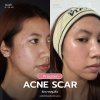
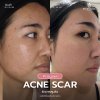


At Seven Days Clinic, acne scars are assessed individually by a physician before treatment. Since many patients have a combination of different scar types, the treatment plan may include more than one technique.
Our approach focuses on:
- Detailed assessment of acne scar type and depth
- Personalized treatment planning by a physician
- Precise application of TCA to individual acne scars
- Selection of an appropriate treatment technique for each skin condition
- Careful attention to cleanliness and treatment safety
- Guidance before and after the procedure
- Combination treatments when appropriate for the individual patient
- Insert patient review or before-and-after image here.
TCA CROSS treatment is a targeted technique for improving deep acne scars by stimulating collagen production and skin remodeling from within. It is most commonly used for ice pick scars and may also be suitable for selected types of boxcar scars.
Although results are not immediate, gradual improvement may occur as the skin repairs itself and produces new collagen. For the safest and most appropriate outcome, treatment should be performed by a qualified medical professional following a detailed assessment of the patient’s skin and acne scar condition.
For those concerned about acne scars, Seven Days Clinic also offers other acne scar treatment options, including Fractional CO2 Laser and Subcision. Because different types of acne scars may require different techniques, patients can schedule a consultation with a physician at Seven Days Clinic for a personalized acne scar treatment plan.
 MakeWebEasy