How Long Does Swelling Last After Fat Dissolving Injections?
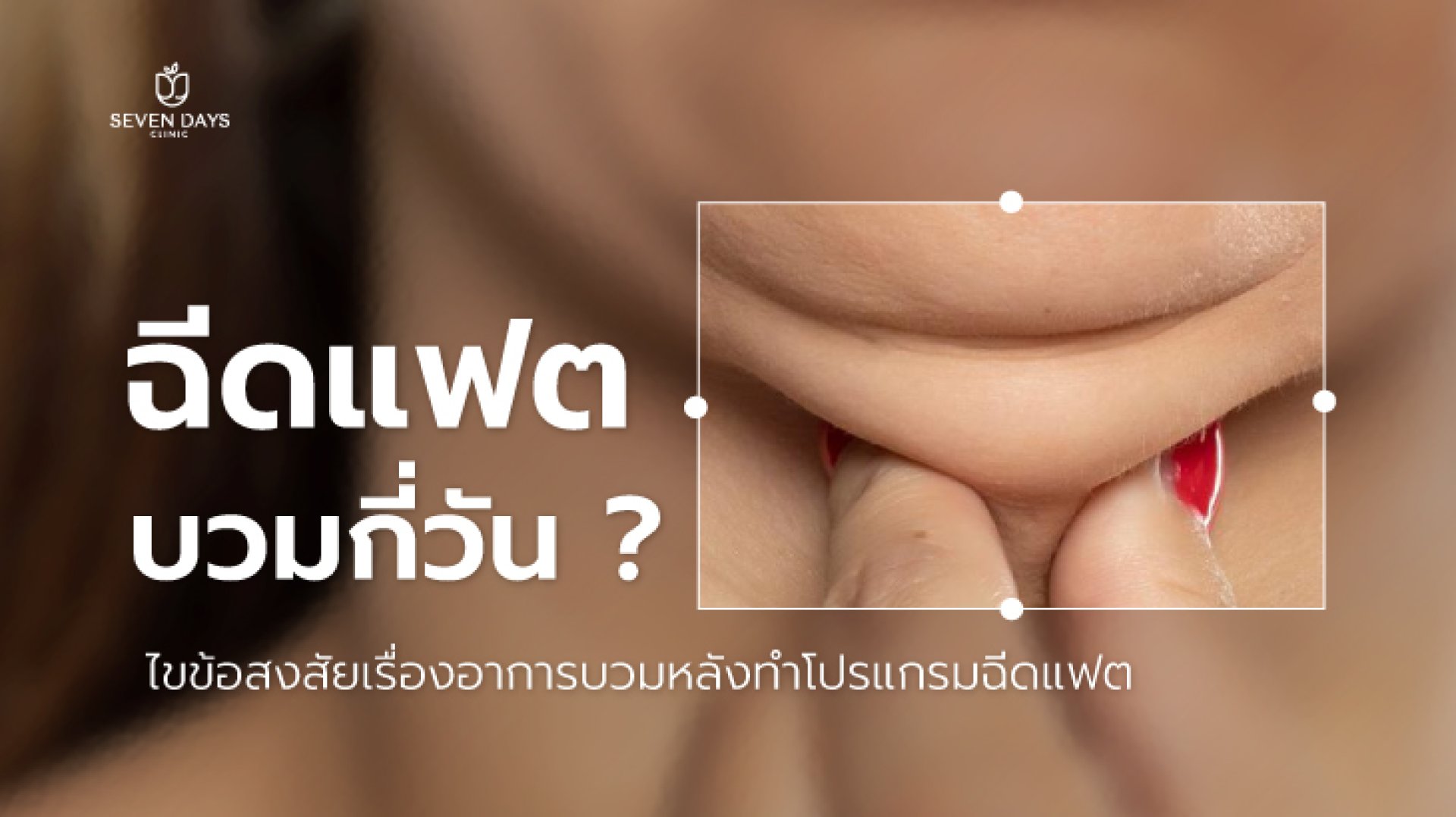
How Long Does Swelling Last After Fat Dissolving Injections?
Everything You Need to Know Before and After Treatment
What Are Fat Dissolving Injections?
Fat Dissolving Injections are a non-surgical aesthetic treatment designed to reduce localized fat deposits by injecting specialized fat-dissolving agents into targeted areas. They are commonly used to treat small to moderate pockets of fat, such as the cheeks, jowls, double chin, and jawline, helping create a slimmer and more defined facial contour.
The choice of product, injection technique, dosage, and number of treatment sessions depends on an individual assessment performed by a qualified physician.
After the injections, the active ingredients begin working within the targeted fat layer according to their mechanism of action. The body gradually breaks down and eliminates the treated fat cells through its natural metabolic and lymphatic processes. As a result, treatment outcomes develop gradually rather than appearing immediately after the procedure.
Fat dissolving injections are generally most suitable for individuals with small, localized fat deposits. Patients with larger volumes of fat may benefit from alternative treatment options, which should be determined based on a physician's clinical evaluation and the individual's aesthetic goals.
How Long Does Swelling Last After Fat Dissolving Injections?
Swelling after fat dissolving injections is a normal and expected post-treatment response. It occurs as the body reacts to both the injection itself and the fat-dissolving process initiated by the treatment.
For most patients, swelling gradually subsides within 2–5 days. However, recovery time varies from person to person depending on several factors, including:
- The type of fat-dissolving product used
- The amount of product injected
- The treatment area
- Individual healing response
- Post-treatment care
During the first 24–72 hours, it is common to experience swelling, tightness, tenderness, or mild discomfort in the treated area. These symptoms usually improve gradually over the following days.
It is important to note that the reduction in swelling does not necessarily indicate the final treatment outcome. The body still requires time to metabolize and eliminate the disrupted fat cells through natural physiological processes. Therefore, improvements in facial contour typically become more noticeable over the following weeks, depending on individual healing and the physician's treatment plan.
Why Does Swelling Occur After Fat Dissolving Injections?
Many patients wonder why their face appears more swollen immediately after fat dissolving injections. In fact, post-treatment swelling is a normal physiological response and is usually temporary. It occurs as the body reacts to both the injection itself and the fat-dissolving process triggered by the treatment.
The causes of swelling can generally be divided into two main factors:
Swelling Caused by the Injected Solution
During the procedure, the physician injects the fat-dissolving solution directly into the targeted fat layer. Because additional fluid is introduced into the tissue, the treated area may temporarily appear swollen, feel tight, or become slightly raised immediately after the injections.
This type of swelling is most commonly observed during the first 1–3 days after treatment and gradually improves as the body absorbs the injected fluid and restores normal tissue balance.
The severity of swelling varies among individuals depending on factors such as the volume of product injected, the treatment area, and each person's natural healing response. In some cases, swelling may begin to subside within just 1–3 hours after treatment.
Swelling Caused by the Fat Dissolving Process
Once the active ingredients begin working, the body initiates a natural response to the treated fat cells. This process may involve a mild inflammatory response, which is considered part of the body's normal healing mechanism. As a result, some patients may experience temporary swelling, tightness, or mild tenderness in the treated area.
Over time, the body gradually removes the disrupted fat cells through the lymphatic system and normal metabolic processes. As this occurs, swelling continues to decrease and the treated area gradually settles, allowing facial contours to become more refined.
The degree of swelling and the recovery period vary from person to person. However, if swelling continues to worsen, accompanied by severe pain, skin discoloration, or fever, patients should seek prompt medical evaluation, as these symptoms may indicate an abnormal reaction or another condition requiring medical attention.
What Symptoms Are Common After Fat Dissolving Injections?
Following fat dissolving injections, the body naturally responds to both the injection procedure and the active ingredients. As a result, several temporary symptoms may occur. These reactions are generally expected and usually improve within a few days.
Common post-treatment symptoms include:
- Swelling – The most common side effect, typically occurring within the first 1–3 days and gradually improving over the following 3–7 days.
- A feeling of tightness in the treated area due to the injected solution and the body's normal inflammatory response.
- Mild tenderness or soreness when touching the treated area.
- Small needle marks or mild redness, which usually resolve on their own within a few days.
- Minor bruising, particularly in individuals with fragile blood vessels or those taking medications that affect blood clotting.
- Localized firmness or small lumps, which may occur during the early healing phase while the injected solution remains within the fat layer. These typically improve as the product is absorbed and swelling subsides.
Overall, these symptoms are considered normal post-treatment reactions and are generally temporary. With proper aftercare and by following the physician's instructions, most patients experience gradual improvement as the healing process progresses.
When Should You Seek Medical Attention After Fat Dissolving Injections?
Although mild swelling, tenderness, and discomfort are common after fat dissolving injections, certain symptoms may indicate a complication or infection and should be evaluated by a physician as soon as possible.
Seek prompt medical attention if you experience any of the following:
- Swelling that continues to worsen or does not improve after several days
- Severe or persistent pain that interferes with daily activities
- Significant redness, warmth, or increasing pain around the treated area
- Pus or abnormal fluid drainage from the injection sites
- Fever, chills, or unusual fatigue
- Skin discoloration, such as dark purple, pale, or other abnormal color changes
- Signs of an allergic reaction, including hives, difficulty breathing, or rapid swelling of the face
If any of these symptoms occur, do not attempt to self-medicate or massage the treated area, as this may worsen the condition. Instead, contact your treating physician or healthcare provider promptly for further evaluation and appropriate management.
6 Tips to Reduce Swelling After Fat Dissolving Injections
Although post-treatment swelling is a normal part of the healing process, proper aftercare can help minimize swelling, improve comfort, and support a smoother recovery. Recovery time and treatment outcomes may vary depending on the individual.
Apply Cold Compresses
During the first 24 hours after treatment, apply a cold compress to the treated area for 10–15 minutes at a time, several times throughout the day. Use a cold gel pack or wrap an ice pack in a clean towel before applying it to the skin.
Avoid placing ice directly on the skin, as this may cause irritation or cold injury.Cold compresses may help constrict blood vessels, reducing swelling and relieving post-treatment discomfort.
Avoid Heat Exposure
For the first 48 hours, avoid activities that increase body temperature, including:
- Saunas
- Steam rooms
- Hot baths or hot showers
- Strenuous exercise
- Prolonged sun exposure
Heat can dilate blood vessels, which may increase swelling, redness, and overall inflammation in the treated area.
Stay Well Hydrated
Drinking enough water supports normal blood circulation and lymphatic drainage, helping the body eliminate cellular waste and by-products produced during the fat breakdown process.
In general, patients are encouraged to drink water consistently throughout the day or follow the hydration recommendations provided by their physician.
Avoid Alcohol and High-Sodium or Fermented Foods
Avoid consuming alcoholic beverages for at least 24–48 hours after treatment, as alcohol may dilate blood vessels and increase the risk of swelling and bruising.
It is also advisable to limit foods that are high in sodium or fermented foods during the initial recovery period, as these may contribute to fluid retention and prolong swelling.
Sleep with Your Head Elevated
For the first 1–2 nights, sleep with your head elevated above the level of your heart by using an extra pillow. This may help reduce fluid accumulation in the facial tissues and minimize swelling.
Patients should also avoid sleeping face down or placing pressure directly on the treated area.
Avoid Touching, Massaging, or Applying Pressure to the Treated Area
After fat dissolving injections, avoid pressing, rubbing, massaging, or frequently touching the treated area unless specifically instructed by your physician.
Excessive manipulation may irritate the tissue, increase swelling, and potentially delay the healing process.
If you notice mild firmness, small lumps, or temporary swelling during the early recovery period, do not attempt to massage the area yourself. These findings are often part of the normal healing process and typically improve over time. If you have any concerns, consult your treating physician for appropriate advice.
Swelling after fat dissolving injections is a normal and expected part of the healing process. In most cases, it gradually improves within 2–5 days, although recovery time varies depending on factors such as the amount of localized fat being treated, the treatment area, the type of product used, and individual healing responses.
Following your physician's aftercare instructions—such as applying cold compresses during the first 24 hours, staying well hydrated, avoiding heat exposure, refraining from alcohol consumption, and avoiding pressure or massage on the treated area—may help reduce swelling and support a smoother recovery.
However, if you experience unusual symptoms such as worsening swelling, severe pain, pus, fever, or abnormal skin discoloration, seek medical attention promptly for further evaluation and appropriate treatment.
Before undergoing fat dissolving injections, it is important to consult with a qualified physician who can assess your facial anatomy, discuss your aesthetic goals, and recommend a personalized treatment plan. An individualized approach helps optimize treatment outcomes while prioritizing patient safety.