Know the Difference Between Freckles and Melasma
Know the Difference Between Freckles and Melasma
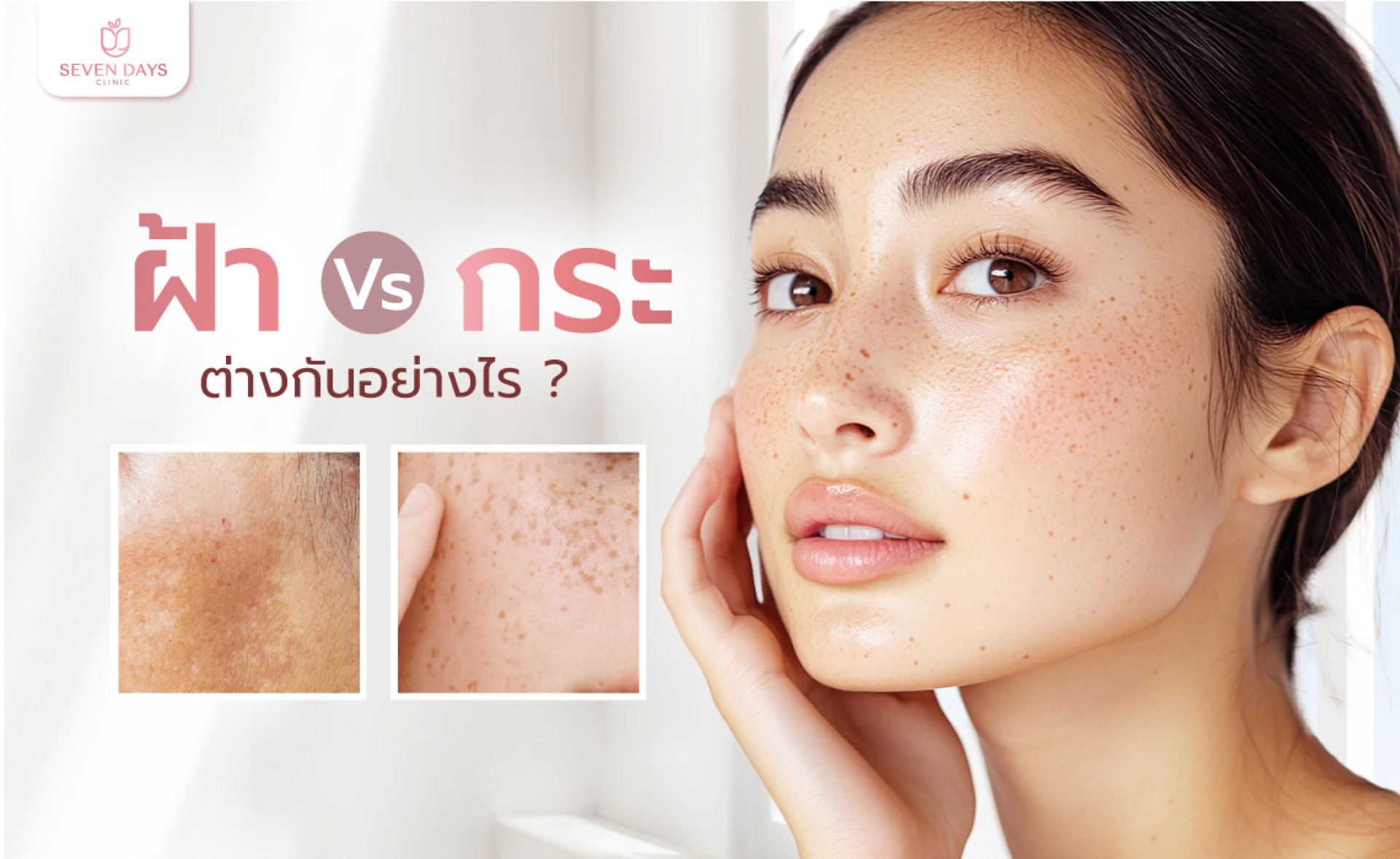
Melasma and Freckles: Common Skin Concerns Many People Want to Treat
Today, skin concerns come in many forms, whether it is wrinkles, acne, dull skin, enlarged facial appearance, or uneven skin tone. However, one of the most common skin problems that continues to concern many people is melasma and freckles. These pigmentation issues not only make the skin appear dull and uneven but can also affect self-confidence.
Some people may only have small freckles, while others develop darker patches known as melasma. In many cases, people are unsure whether the pigmentation they see is melasma or freckles, making it difficult to choose the right treatment. The longer these conditions are left untreated, the deeper the pigmentation may become, making treatment more challenging over time.
For anyone struggling with these skin concerns, Seven Days Clinic is here to help you understand what melasma and freckles are, how they differ, and which treatment approaches may be most suitable.
MELASMA
What Is Melasma?
Melasma is a common skin pigmentation condition characterized by light brown to dark brown patches that typically appear on the face, especially on the cheeks, forehead, nose, and upper lip.
Melasma occurs when pigment-producing cells called melanocytes produce excessive amounts of melanin, leading to uneven dark patches on the skin.
What Causes Melasma?
Melasma can develop due to several different factors, most of which involve the stimulation of melanocytes — the skin cells responsible for producing melanin pigment.
Women are generally more prone to melasma because hormonal changes involving estrogen and progesterone can increase melanin production, especially when the skin is exposed to certain triggers. Common causes and triggers of melasma include:
- Genetics: If someone in your family has melasma, you may have a higher risk of developing it as well.
- Hormonal Changes: Hormonal fluctuations during pregnancy or from birth control pills can stimulate pigment production, making melasma more likely to occur.
- Sun Exposure and UV: Sunlight and ultraviolet (UV) rays are among the biggest triggers of melasma. UV exposure stimulates excess melanin production and can make existing melasma appear darker and more noticeable.
- Certain Medications: Some medications, especially those that affect hormone levels, may also contribute to the development of melasma.
Types of Melasma
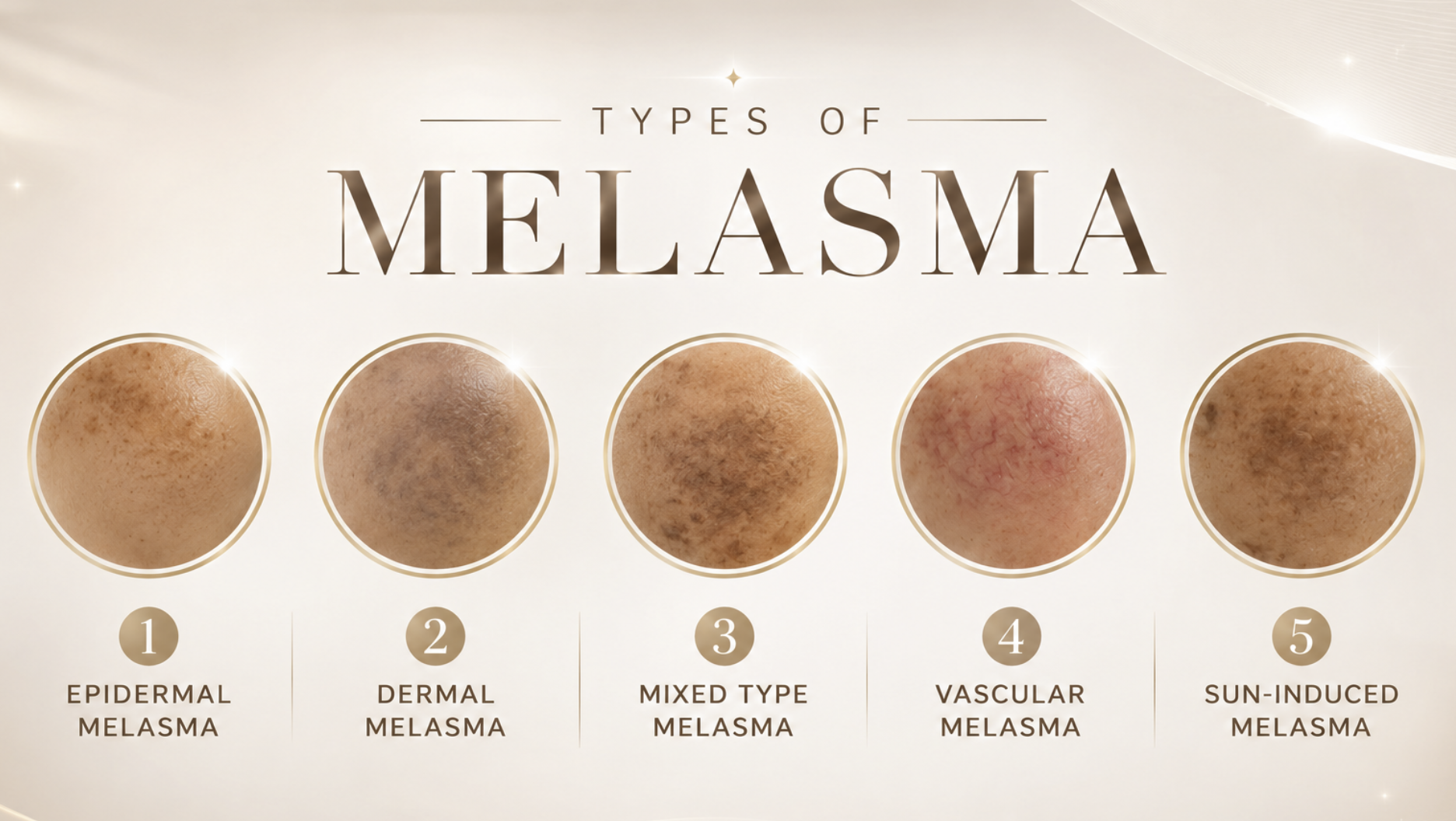
Melasma can generally be divided into five different types, depending on the depth of pigmentation and underlying causes.
1. Epidermal Melasma
Epidermal melasma is caused by the accumulation of melanin pigment within the outer layer of the skin, known as the epidermis. This type of melasma is commonly triggered by sun exposure, heat, hormonal fluctuations, or the use of irritating skincare products.
Characteristics of Epidermal Melasma
- Light brown to dark brown patches
- Commonly appears on the cheeks, forehead, and nose
- Pigmentation becomes more visible after sun exposure
Because the pigment is located closer to the skin’s surface, epidermal melasma generally responds better to treatment compared to deeper forms of melasma.
2. Dermal Melasma
Dermal melasma occurs when melanin pigment is deposited deeper within the dermis, the layer beneath the epidermis. Since the pigment is embedded deeper in the skin, this type is typically more difficult to treat.
Characteristics of Dermal Melasma
- Dark brown, grayish, or slightly bluish-purple pigmentation
- Less defined borders with more diffuse spreading
- Commonly found across the cheeks, temples, and forehead
Dermal melasma often requires long-term treatment and consistent skincare management.
3. Mixed-Type Melasma
Mixed-type melasma is a combination of both epidermal melasma and dermal melasma occurring in the same or nearby areas. This is considered the most common type of melasma and is often the most complex to treat.
Characteristics of Mixed-Type Melasma
- Combination of brown, gray, and bluish pigmentation
- Appears across multiple areas of the face, including the cheeks, nose, temples, and forehead
- Pigmentation varies in depth and intensity
Because both superficial and deep pigmentation are involved, treatment may require a combination approach.
4. Vascular Melasma (Telangiectatic Melasma)
Vascular melasma is associated with abnormalities in the small blood vessels beneath the skin. This condition is often linked to prolonged use of steroid-containing skincare products or medications, which may weaken capillaries and contribute to redness and pigmentation.
Characteristics of Vascular Melasma
- Reddish-brown discoloration rather than typical brown-gray pigmentation
- May appear with visible blood vessels or facial redness
- Considered more challenging to treat than other types of melasma
Proper diagnosis is important because treatment approaches may differ from standard pigmentation-focused therapies.
5. Sun-Induced Melasma
Sun-induced melasma develops primarily from prolonged sun exposure. UV rays strongly stimulate melanin production, causing dark patches to form more easily and existing melasma to worsen over time.
Characteristics of Sun-Induced Melasma
- Dark brown patches on sun-exposed areas of the face
- Commonly appears on the cheeks, forehead, and bridge of the nose
- Pigmentation tends to darken during summer or after frequent sun exposure
Daily sunscreen use and UV protection are essential for preventing and managing this type of melasma.
How Is Melasma Treated?
Melasma is not caused by just one factor or simply excessive pigment production. It can develop from multiple causes, including hormones, sun exposure, genetics, medications, and skin inflammation. Because of this, melasma treatment often varies depending on the individual and the type of melasma involved. Here are some of the most common approaches used to treat melasma effectively.
1. Avoid Melasma Triggers
One of the most important steps in managing melasma is avoiding factors that trigger pigmentation. This includes limiting sun exposure and applying sunscreen with SPF 50 PA++++ daily to protect the skin from UV damage. Hormonal factors may also contribute to melasma, especially in individuals taking birth control pills. In some cases, a doctor may recommend adjusting contraceptive methods depending on the patient’s condition.
2. Use Pigment-Reducing Skincare or Medication
Skincare products and topical medications that help reduce melanin production are commonly used to improve melasma. However, these treatments should always be used under medical supervision. Using the wrong products or using them incorrectly may worsen pigmentation and increase the risk of recurring melasma.
3. Oral Medication
Today, certain oral medications can help reduce melanin production and improve melasma symptoms. These treatments should only be taken after proper evaluation and guidance from a medical professional.
4. Chemical Peeling
Chemical peeling involves using mild acids such as glycolic acid or salicylic acid to exfoliate pigmented skin cells and encourage skin renewal. This procedure should also be performed under the supervision of a qualified medical professional to ensure safe and effective results.
5. Melasma Injection Treatments
Injectable treatment programs are now available to help inhibit melanin production, reduce the appearance of dark patches, and minimize the risk of melasma recurrence. These treatments are often combined with other skincare approaches for more effective long-term results.
6. Laser Treatment for Melasma
Laser treatment can be an effective option for melasma management. However, choosing the right laser technology and treatment technique is extremely important, as different types of melasma require different approaches. A proper skin assessment by a qualified doctor can help determine the most suitable laser treatment for each individual case.
Freckles
What Are Freckles?
Freckles are a common skin pigmentation condition caused by the overproduction of melanin in specific areas of the skin. They usually appear as small brown spots scattered across the face and body, typically measuring around 1–5 mm in size.
Freckles commonly develop on areas frequently exposed to sunlight, such as the cheeks, nose bridge, shoulders, and arms.
What Causes Freckles?
Several factors can contribute to the development of freckles, including:
- Genetics: Freckles are more common in people with fair skin or those with a family history of freckles. In some individuals, freckles may begin to appear during childhood or adolescence.
- Sun Exposure (UV Rays): Ultraviolet (UV) rays are one of the biggest triggers for freckles. Sun exposure stimulates melanin production, causing freckles to darken and increase in number over time.
- Hormonal Changes: Hormonal fluctuations during puberty or adulthood may also contribute to darker or more noticeable freckles.
- Aging: Freckles and pigmentation spots often become more visible with age, especially in individuals with long-term sun exposure.
Types of Freckles
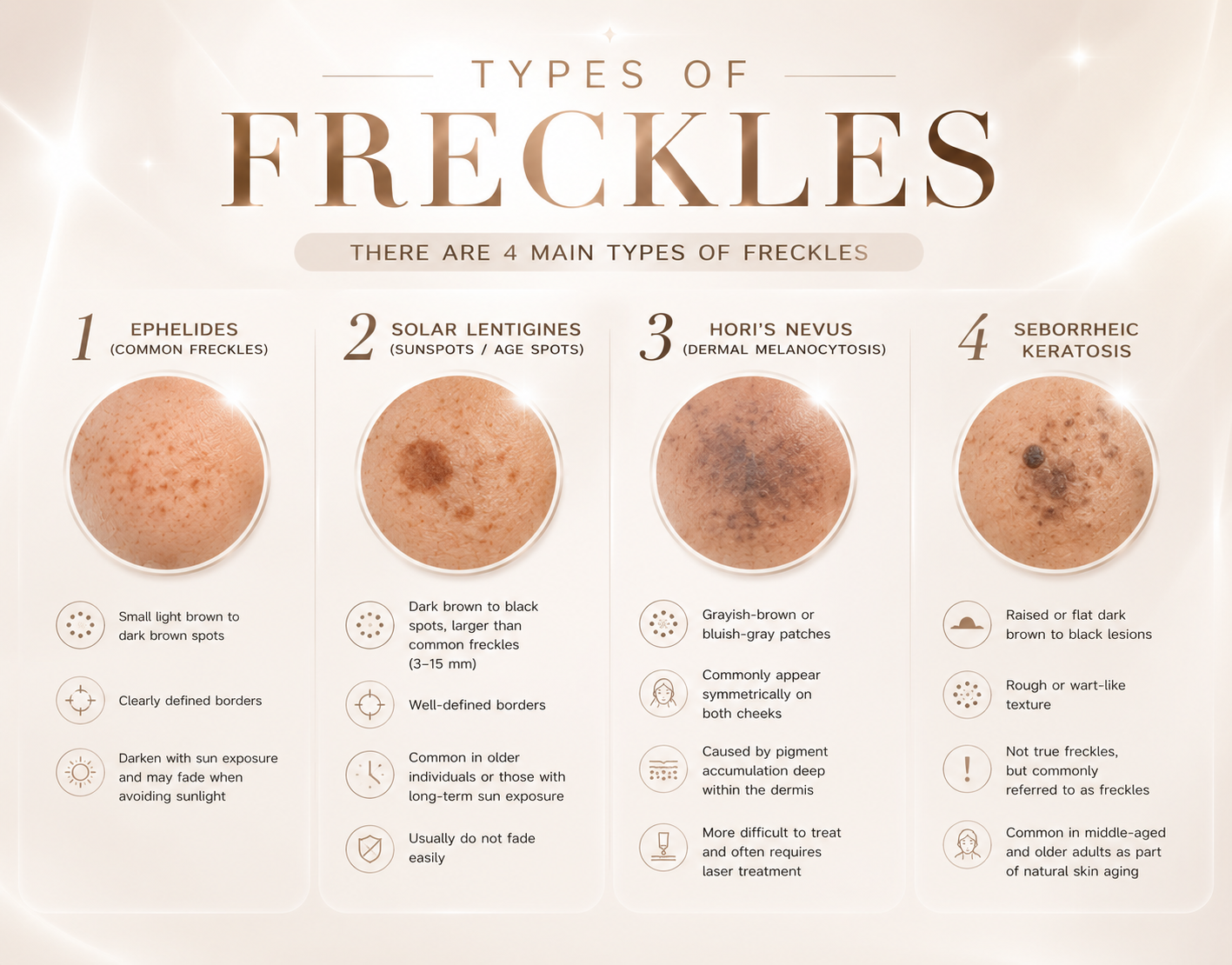
Freckles can generally be divided into four main types, each with different characteristics.
1. Ephelides (Common Freckles)
Characteristics
- Small light brown to dark brown spots measuring around 1–3 mm
- Clearly defined borders
- Commonly appear during childhood or teenage years
- Tend to darken with sun exposure and may fade slightly when avoiding sunlight
2. Solar Lentigines (Sunspots / Age Spots)
Characteristics
- Dark brown to black spots larger than common freckles, usually around 3–15 mm
- Well-defined borders
- Commonly found in older individuals or people with long-term accumulated sun exposure
- Usually do not fade easily, even with sun protection
3. Hori’s Nevus (Dermal Melanocytosis)
Characteristics
- Grayish-brown or bluish-gray patches
- Commonly appear symmetrically on both cheeks
- Caused by pigment accumulation deep within the dermis
- More difficult to treat compared to other types of freckles and often requires laser treatment
4. Seborrheic Keratosis
Characteristics
- Raised or flat dark brown to black lesions
- Rough or wart-like texture
- Not considered true freckles, but commonly referred to as freckles by many people
- Frequently develops in middle-aged and older adults as part of natural skin aging
How Are Freckles Treated?
Freckle treatment can vary depending on the type of freckles, the depth of pigmentation, and the underlying causes. Different treatment approaches may be recommended based on each individual’s skin condition. Here are some of the most common treatment methods for freckles and pigmentation concerns.
1. Sun Protection and UV Avoidance
Preventing sun exposure is one of the most important steps in reducing freckles and preventing new pigmentation from developing. Daily sunscreen application, along with protective measures such as hats, umbrellas, or avoiding direct sunlight, can help minimize UV damage and reduce the risk of recurring freckles.
2. Topical Creams and Pigment-Reducing Medication
Topical treatments containing ingredients such as Hydroquinone, Retinoids, Azelaic Acid, Kojic Acid, and Vitamin C can help reduce pigmentation and lighten freckles over time. These treatments should be used under medical supervision to minimize irritation and potential side effects.
3. Chemical Peeling
Chemical peeling uses ingredients such as AHA, Glycolic Acid, or Trichloroacetic Acid (TCA) to exfoliate pigmented skin cells and promote skin renewal.
This treatment can help improve uneven skin tone and reduce the appearance of freckles. However, proper aftercare is essential to prevent irritation and post-treatment pigmentation.
4. Laser and Light-Based Treatments
Laser treatments are commonly used for stubborn freckles or deeper pigmentation that does not respond well to topical treatments. CO₂ laser treatment may also be used for raised pigmentation spots or seborrheic keratosis to improve skin texture and reduce discoloration. Because improper laser settings may worsen pigmentation or cause skin damage, these procedures should always be performed by an experienced medical professional.
5. Cryotherapy
Cryotherapy involves using liquid nitrogen to freeze and destroy excess pigment cells. This treatment is commonly used for sunspots or seborrheic keratosis. As with other advanced pigmentation treatments, cryotherapy should only be performed under the care of a qualified medical professional.
What’s the Difference Between Melasma and Freckles?
Clear Up the Confusion Between Melasma and Freckles
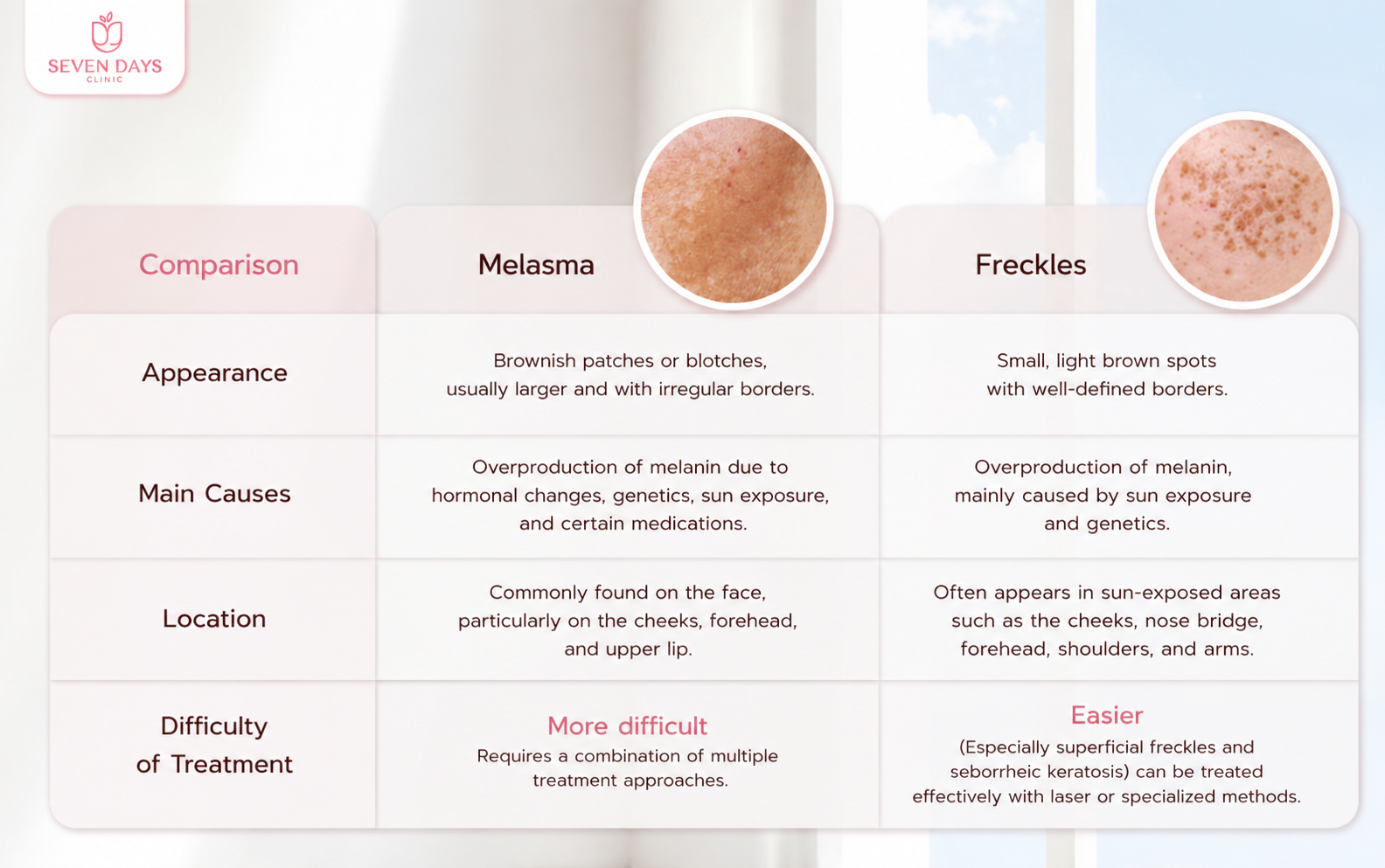
Effective treatment for melasma and freckles requires an accurate skin diagnosis and a treatment approach tailored to each individual condition. At Seven Days Clinic, our experienced skin specialists provide personalized skin analysis and recommend suitable treatments for your specific pigmentation concerns. This helps ensure safe, effective, and long-lasting results for healthier, clearer-looking skin.