7 Habits That Cause Premature Skin Aging & Wrinkles
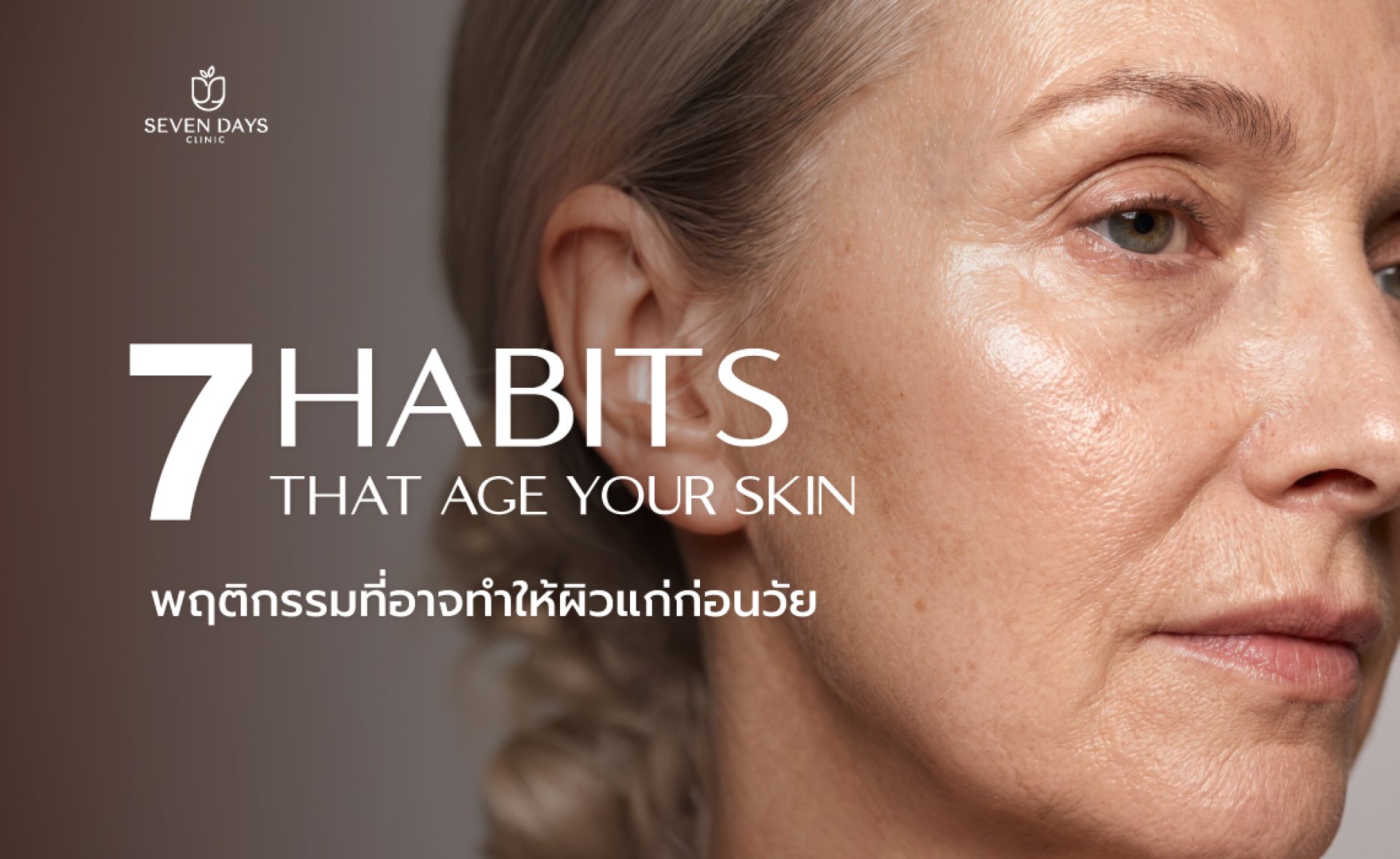
7 Everyday Habits That May Cause Premature Skin Aging
Check the Habits That May Accelerate Wrinkles, Skin Sagging, and Premature Aging
Who would have thought that the small habits we repeat every day could have a greater impact on our skin health than we realize? Staying up late, skipping sunscreen, dealing with chronic stress, or neglecting a proper skincare routine are all factors that may contribute to wrinkles, dryness, dark spots, and skin that looks older than your actual age.
While changes in the skin are a natural part of aging, certain lifestyle habits and environmental factors may cause signs of premature skin aging to appear earlier or become more noticeable. Today, Seven Days Clinic will walk you through 7 everyday habits that may contribute to premature skin aging, along with simple lifestyle adjustments that can help maintain healthy-looking skin in the long term.
Check These 7 Habits That May Cause Premature Skin Aging (H2)
Premature skin aging is not caused by age alone. Everyday lifestyle habits and environmental factors may accelerate changes in the skin’s structure, affecting collagen, elastin, moisture levels, and the skin’s natural ability to recover and repair itself.
Let’s take a closer look at these 7 habits and see whether any of them have unknowingly become part of your daily routine.
1. Not Wearing Sunscreen Regularly
Sun exposure is one of the major external factors associated with premature skin aging. UVA rays, in particular, can penetrate deeper into the skin and contribute to the breakdown and deterioration of collagen and elastin.
Over time, accumulated UV exposure can lead to a process known as photoaging, which may make wrinkles, skin sagging, dark spots, and uneven skin tone more noticeable.
Therefore, even on days when you are not spending much time under direct sunlight, applying sunscreen appropriately and consistently remains an essential part of a daily skincare routine and can help reduce the long-term effects of accumulated UV exposure.
2. Staying Up Late and Not Getting Enough Sleep
Sleep is an important time for the body to rest and recover. Regularly staying up late or not getting enough sleep may interfere with the skin’s recovery process and Skin Barrier function. Inadequate sleep has also been associated with increased water loss through the skin, which may leave the complexion looking dry, tired, and less radiant.
Insufficient rest may also make dark circles and signs of facial fatigue appear more noticeable. When this pattern continues over a long period of time, it may contribute to the skin looking older and more tired than your actual age.
3. Consuming Too Much Sugar and Sweets
If you regularly enjoy sweets, milk tea, soft drinks, or other high-sugar foods and beverages, you may want to pay closer attention to how much sugar you consume. Excessive sugar intake is associated with a process known as glycation, in which sugar molecules bind to proteins in the body and form compounds called Advanced Glycation End Products (AGEs).
This process can affect proteins that are essential to the skin’s structure, including collagen and elastin, altering their properties over time. As AGEs accumulate, the skin may gradually lose some of its elasticity and firmness, potentially making wrinkles and skin sagging more noticeable.
This does not mean you need to completely eliminate sweets from your diet. Instead, try to consume sugar in moderation while maintaining a varied and balanced diet.
4. Smoking Regularly
Smoking is associated with wrinkles and premature skin aging. Substances found in cigarette smoke can increase oxidative stress, a condition in which free radicals exceed the body’s ability to maintain a healthy balance. This may affect skin cells as well as important structural components of the skin, including collagen and elastin.
With continued exposure, the skin may gradually lose elasticity, appear drier and duller, and become more prone to visible wrinkles, particularly around the mouth and other areas of the face. Reducing or avoiding smoking can therefore benefit not only your overall health but also the long-term health and appearance of your skin.
5. Drinking Too Much Alcohol or Drinking Too Frequently
After drinking alcohol, some people may notice that their skin looks drier, more tired, or less radiant than usual. Excessive alcohol consumption can affect the body’s fluid balance, sleep quality, and inflammatory processes, all of which can influence overall skin health.
When excessive drinking becomes a regular habit, these factors may contribute to dry and tired-looking skin and make fine lines appear more noticeable. However, premature skin aging is not caused by alcohol alone. It is influenced by multiple factors, including genetics, age, sun exposure, and overall lifestyle habits.
6. Experiencing Chronic Stress
Stress does not only affect how you feel emotionally. It is also associated with hormonal changes and inflammatory processes within the body. When stress becomes chronic, changes in cortisol levels and the body’s ongoing stress response may affect Skin Barrier function and the skin’s natural recovery processes.
Stress is also often accompanied by other lifestyle habits, such as getting insufficient sleep, eating irregularly, or spending less time taking care of yourself. When several of these factors occur together, the skin may appear tired, dry, dull, and less radiant, while visible signs of aging may become more noticeable.
7. Neglecting Your Daily Skincare Routine
A good skincare routine does not need to involve numerous complicated steps. However, neglecting essential skincare habits, such as cleansing the skin appropriately, maintaining adequate hydration, and protecting the skin from sun exposure, may leave the skin more vulnerable to environmental and lifestyle-related factors.
When the Skin Barrier becomes imbalanced, the skin may lose moisture more easily, leading to dryness, irritation, and uneven skin texture. These changes can also make fine lines appear more noticeable.
Maintaining a simple and consistent skincare routine can therefore make a meaningful difference. Gently cleansing the skin, choosing a moisturizer that suits your skin type, and applying sunscreen regularly are fundamental steps that can help support healthy skin and reduce factors that may contribute to premature skin aging.
Basic Skincare Tips to Help Reduce Factors That Contribute to Premature Skin Aging
Although age-related changes in the skin are a natural process that cannot be completely avoided, there are certain factors that we can manage to help reduce premature signs of skin aging. This can begin with simple lifestyle adjustments and a consistent skincare routine, including the following:
1. Apply Sunscreen Every Day
UV radiation is one of the major factors associated with photoaging, or premature skin aging caused by prolonged sun exposure. Using a broad-spectrum sunscreen that protects against both UVA and UVB rays should therefore be an essential part of your daily skincare routine.
Sunscreen should also be reapplied appropriately, particularly when spending extended periods outdoors or being exposed to direct sunlight. Additional sun-protection measures, such as wearing a hat, using an umbrella, or covering exposed skin with appropriate clothing, can provide further protection.
2. Keep Your Skin Properly Moisturized
When the skin lacks sufficient moisture, it may appear dry and rough, while fine lines can become more noticeable. Choosing a moisturizer that is appropriate for your skin type can help maintain hydration and support healthy Skin Barrier function.
Even people with oily skin can benefit from using a moisturizer. The key is to choose a lightweight formula with a texture that is suitable for your individual skin type and needs.
3. Cleanse Your Skin Gently
Choose a facial cleanser that is appropriate for your skin type and avoid cleansing too aggressively. Frequent scrubbing or using several exfoliating products at the same time may cause irritation and disrupt the Skin Barrier, potentially leaving the skin feeling dry, sensitive, or more prone to irritation.
Gentle and appropriate cleansing helps remove impurities while minimizing unnecessary stress on the skin.
4. Get Enough Sleep and Maintain a Consistent Sleep Schedule
Sleep is an important period for the body to rest and recover. Getting sufficient, quality sleep on a regular basis is therefore an important part of supporting overall health, including skin health.
It can also be helpful to maintain relatively consistent sleeping and waking times each day. A regular sleep schedule supports the body's natural sleep-wake cycle and allows the body to receive adequate rest and recovery.
5. Reduce Sugar Intake and Maintain a Balanced Diet
You do not need to eliminate sugar completely from your diet. However, it is best to avoid regularly consuming excessive amounts of high-sugar foods and beverages. Excess sugar intake is associated with a process known as glycation, which may affect important structural proteins in the skin, including collagen and elastin.
Aim for a varied and balanced diet that includes vegetables, fruits, protein, whole grains, and healthy fats to help provide your body with a broad range of essential nutrients.
6. Manage Stress and Exercise Regularly
Chronic stress can affect sleep, eating habits, and overall health. Finding healthy ways to manage stress may therefore benefit both your physical and mental well-being. This could include exercising, going for a walk, listening to music, enjoying your favorite activities, or simply setting aside time to rest and step away from work.
Regular exercise is also an important part of maintaining overall health, which can indirectly support healthy-looking skin.
7. Avoid Smoking and Limit Alcohol Consumption (H3)
Smoking is associated with oxidative stress and the deterioration of collagen and elastin, which may contribute to wrinkles and premature skin aging. Excessive alcohol consumption, meanwhile, can affect sleep quality and the body's overall balance.
Avoiding smoking and limiting alcohol consumption are therefore important lifestyle choices that can support both your overall health and long-term skin health.
Premature skin aging is not caused by age alone. Small habits that are repeated every day—such as staying up late, skipping sunscreen, consuming too much sugar, smoking, drinking excessive amounts of alcohol, experiencing chronic stress, or neglecting your skincare routine—may all contribute to more noticeable wrinkles, dryness, dark spots, and skin sagging over time.
Taking care of your skin can begin with simple everyday habits, including protecting your skin from sun exposure, maintaining adequate hydration, getting enough sleep, eating a balanced diet, and gradually adjusting lifestyle habits that may negatively affect your skin. Consistent care today can play an important role in helping your skin remain healthy and resilient in the long term.
If you begin to notice more visible wrinkles, skin sagging, or other significant changes in your skin, you can consult a doctor at Seven Days Clinic for a professional skin assessment and personalized recommendations based on your individual skin concerns and condition.