What Is Maskne?
What Is Maskne? Causes, Treatment,
and Prevention of Mask-Related Acne
Maskne: A Skin Concern Many People Overlook
Although wearing face masks is no longer as mandatory as it was during the COVID-19 pandemic, many people still wear masks regularly for commuting, healthcare work, or protection against air pollution such as PM2.5. As a result, "Maskne" remains a common skin concern.
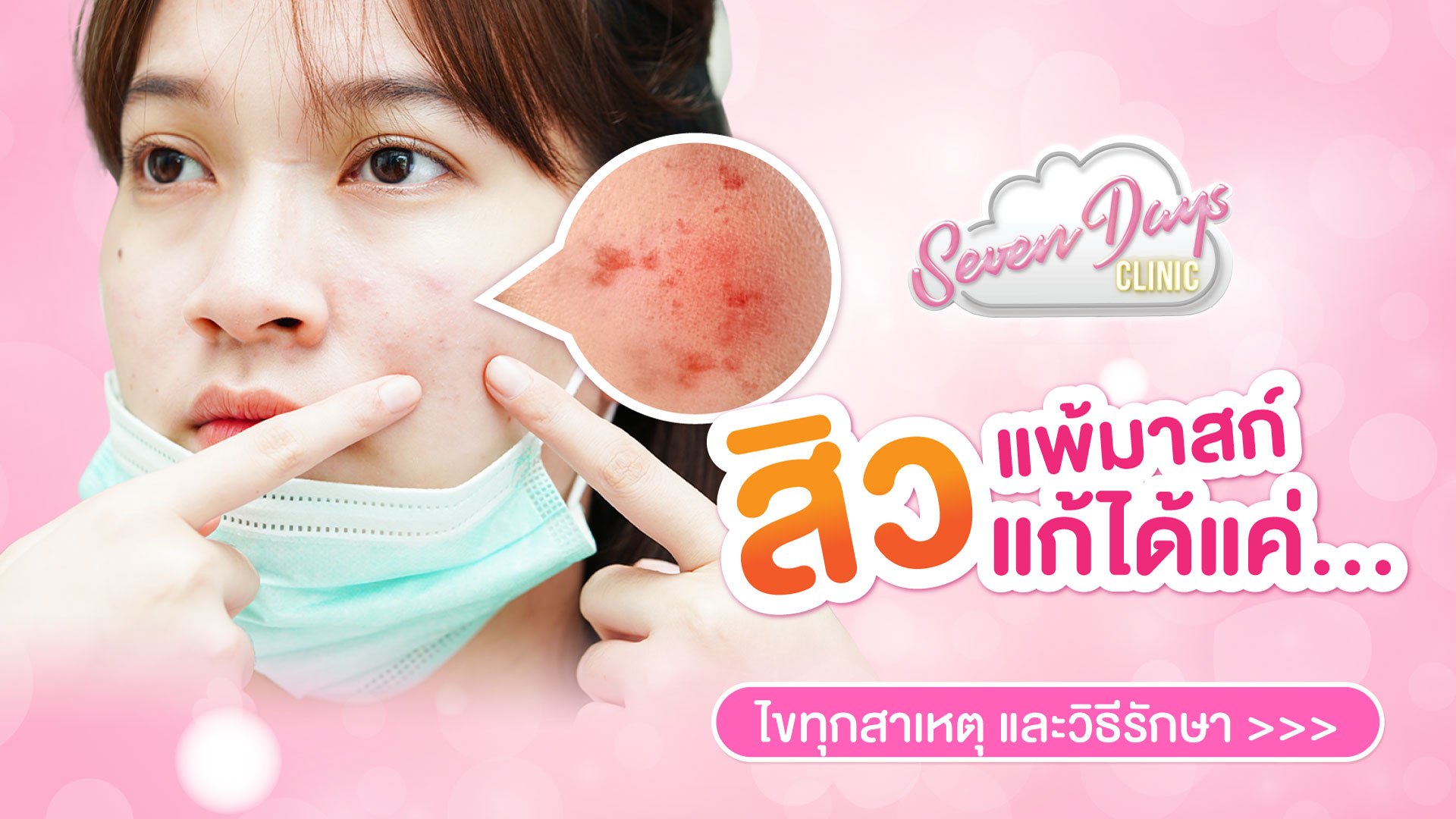
Many individuals notice breakouts developing around the cheeks, chin, mouth area, and jawline after wearing a mask for extended periods. Redness, irritation, itching, and acne can affect both confidence and overall skin health if left untreated.
What Is Maskne?
Maskne, short for "Mask Acne," refers to acne and skin irritation that develop in areas covered by a face mask. It is caused by a combination of friction, humidity, sweat, excess oil, and dirt trapped beneath the mask.
When the skin remains covered for long periods, the temperature and moisture levels under the mask increase. This creates an environment where pores become clogged, bacteria thrive, and acne breakouts occur.
In some cases, individuals may experience not only acne but also skin irritation, allergic reactions, or inflammation.
Why Do People Develop Maskne? What Ingredients in Masks May Cause Irritation?
Not everyone is allergic to face masks themselves. In most cases, Maskne develops due to several contributing factors.
1. Friction Between the Mask and Skin
Facial movements such as talking, smiling, and eating cause constant rubbing between the mask and the skin. This friction can weaken the skin barrier and trigger irritation and inflammation.
2. Humidity from Sweat and Breathing
Moisture from sweat and exhaled breath becomes trapped inside the mask, creating a warm and humid environment. This promotes the growth of bacteria and yeast on the skin.
3. Excess Oil and Clogged Pores
Oil, sweat, dead skin cells, and makeup can accumulate beneath the mask throughout the day, leading to clogged pores and acne formation.
4. Chemicals or Materials Used in Face Masks
Some individuals may experience contact dermatitis or irritation caused by mask components, including:
- Adhesives used in mask construction
- Formaldehyde residues from certain manufacturing processes
- Dyes or coating agents
- Synthetic fibers such as polypropylene
- Metal nose strips
People who are sensitive to these materials may experience redness, itching, burning sensations, or skin peeling rather than typical acne breakouts.
What Does Maskne Look Like?
Maskne usually appears in areas directly covered by a face mask, including:
- Cheeks
- Around the mouth
- Chin
- Jawline
- Bridge of the nose
Common symptoms include:
Comedonal Acne
Small bumps beneath the skin, including both open comedones (blackheads) and closed comedones (whiteheads).
Inflammatory Acne
Red, swollen, and sometimes painful pimples that may contain pus.
Redness and Itching
More common among people with sensitive skin or irritation caused by mask materials.
Dry, Flaky, or Burning Skin
Continuous friction may damage the skin barrier, leading to dryness and discomfort
How to Treat Maskne
Treatment depends on the severity of symptoms and the underlying causes.
1. Choose the Right Face Mask
- Select masks with good breathability
- Avoid overly tight masks
- Choose skin-friendly materials
- Avoid reusing disposable masks
2. Follow a Gentle Skincare Routine
- Wash your face twice daily
- Use gentle, non-irritating cleansers
- Apply a non-comedogenic moisturizer
3. Use Acne Treatment Products
For clogged pores and inflammatory acne, products containing the following ingredients may help:
- Salicylic Acid (BHA)
- Benzoyl Peroxide
- Adapalene
- Niacinamide
These products should be chosen according to your skin type and used as directed by a healthcare professional.
4. Consult a Dermatologist
If the acne is severe, persistent, or accompanied by an allergic rash, consulting a dermatologist is recommended for proper diagnosis and treatment.
How to Prevent Maskne
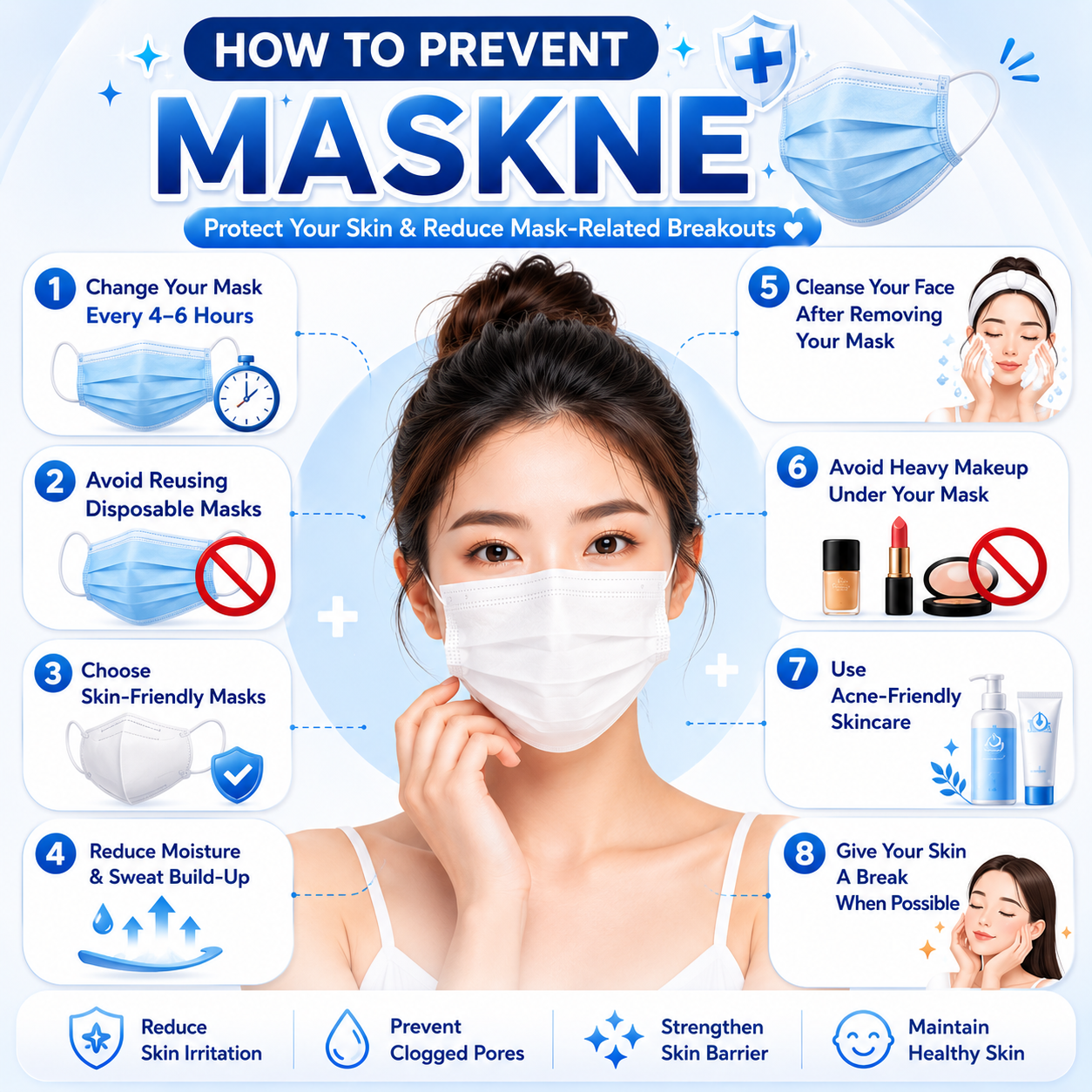
Even if wearing a mask is necessary, the risk of developing Maskne can be minimized by following these recommendations.
- Change Your Mask Every 4–6 Hours
Regular mask changes help reduce the buildup of moisture, bacteria, and dirt. - Avoid Reusing Disposable Masks
Single-use masks should be discarded after use whenever possible. - Cleanse Your Skin After Removing the Mask
Removing sweat, oil, and debris helps prevent clogged pores. - Avoid Heavy Makeup Under the Mask
Reducing makeup can lower the risk of pore blockage and breakouts. - Use Acne-Friendly Skincare Products
Choose gentle, non-comedogenic products that help soothe irritation and maintain skin health. - Give Your Skin a Break
When in a safe environment where masks are not required, consider removing the mask periodically to reduce humidity and friction on the skin.
Maskne is a common skin condition caused by friction, moisture buildup, and clogged pores beneath a face mask. In some cases, irritation or allergic reactions to mask materials may also contribute to symptoms. The condition most commonly affects the cheeks, chin, mouth area, and jawline.
Choosing the right mask, maintaining a gentle skincare routine, and addressing breakouts early can help prevent acne, reduce irritation, and minimize the risk of post-acne marks and scarring.