7 Common Skin Problems Men Shouldn't Ignore and How to Maintain Healthy Skin
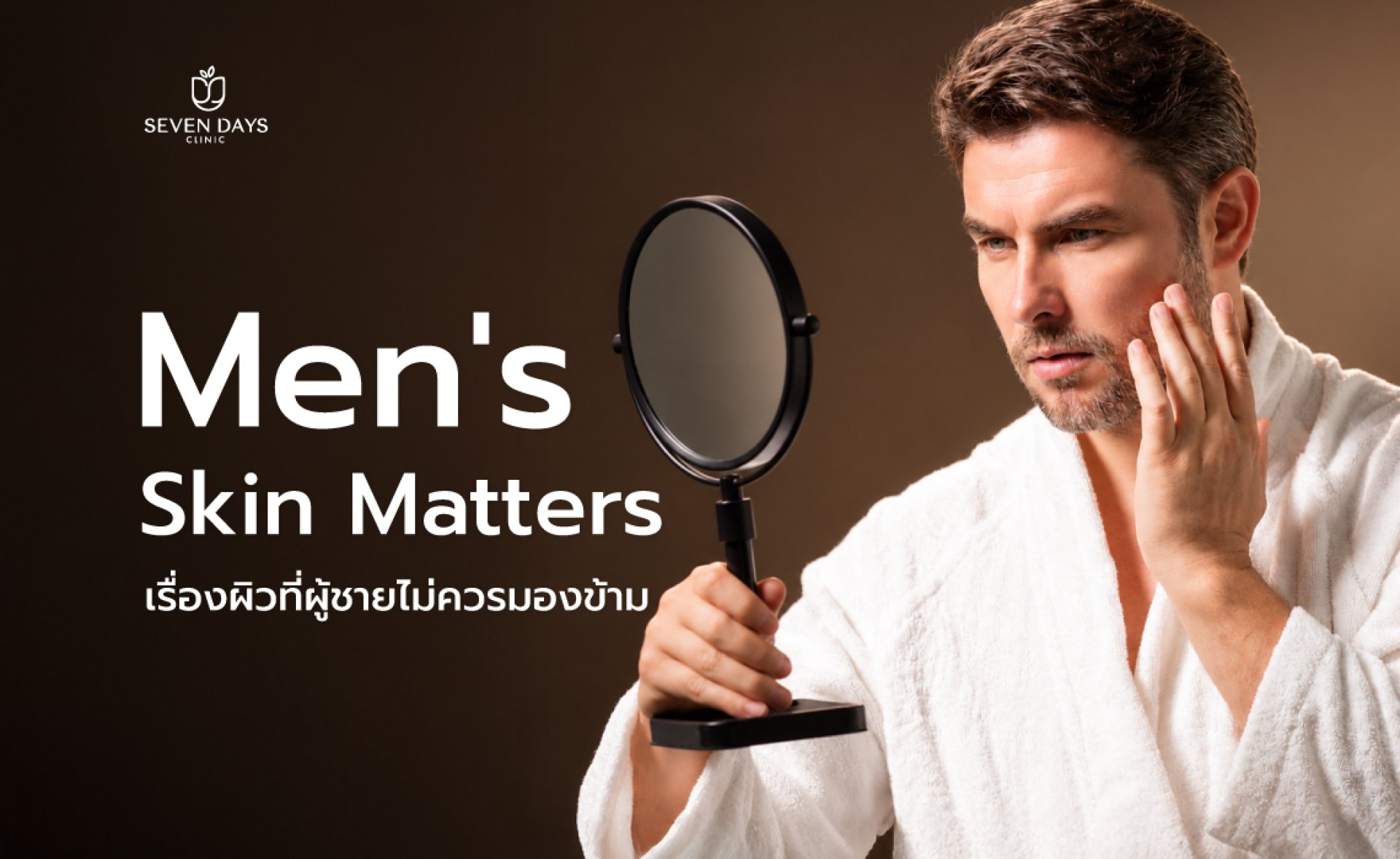
Men's Skin Matters: Skin Concerns Men Shouldn't Ignore
Common Men's Skin Problems and How to Care for Your Skin: Everything You Need to Know in One Place
Skincare is not just for women. Men can experience a range of skin concerns, including acne, oily skin, enlarged pores, and wrinkles. These issues may be influenced by hormones, lifestyle habits, and environmental factors. Without proper care, some skin concerns may persist or worsen over time, affecting overall skin health.
In this article, Seven Days Clinic explores seven common skin problems men shouldn't ignore, explains their potential causes, and shares practical skincare tips to help men maintain healthy-looking skin and feel more confident at every age.
How Is Men's Skin Different from Women's Skin?
Men's and women's skin differ in certain physiological characteristics, particularly skin thickness, sebum production, and hormonal influences. These differences may affect the development of skin concerns such as acne, oily skin, and enlarged pores. In addition, daily habits, shaving, exercise, and sun exposure can influence men's skin health. Understanding your individual skin type is therefore an important first step in choosing an appropriate skincare routine.
Skin Characteristics and Sebum Production in Men
In general, men's skin tends to be thicker than women's skin and may produce more sebum during certain stages of life, particularly in areas such as the forehead, nose, and chin. As a result, some men experience oily skin, more visible pores, and a greater tendency to develop clogged pores when excess sebum and dead skin cells accumulate.
However, oily skin does not necessarily mean that the skin is adequately hydrated. Men with oily skin can also experience dehydration or dryness, particularly when using harsh cleansing products. Skincare products should therefore be selected based on individual skin type and concerns rather than simply choosing products labeled “for men.”
How Do Hormones Affect Men's Skin? (H3)
Androgens, particularly testosterone and dihydrotestosterone (DHT), play a role in stimulating sebaceous gland activity, which can increase sebum production. This is especially relevant during adolescence, when hormonal changes may contribute to the development of clogged pores and inflammatory acne in individuals who are prone to breakouts.
Hormones also influence skin characteristics and age-related changes. However, men's skin concerns are not caused by hormones alone. Genetics, skincare habits, and lifestyle factors can also play a role.
Daily Habits That May Affect Skin Health (H3)
In addition to physiological characteristics and hormones, everyday habits can affect men's skin health. Some routine activities may contribute to skin concerns without men realizing it, including:
- Regular shaving: Shaving can cause friction, irritation, redness, razor bumps, or ingrown hairs, particularly when using a dull blade or improper shaving techniques.
- Exercise and sweating: Sweat, trapped moisture, and friction from clothing or exercise equipment may contribute to acne and skin irritation on the face, chest, and back.
- Sun exposure without adequate protection: UV radiation can cause sunburn, dark spots, uneven skin tone, and contribute to premature skin aging.
- Using unsuitable skincare products: Washing the face too frequently, using harsh cleansers, or skipping moisturizer may lead to dryness and irritation.
Insufficient sleep: A lack of adequate rest may interfere with the skin's natural recovery processes, leaving it looking tired and less radiant.
7 Common Men's Skin Problems You Shouldn't Ignore
Men's skin concerns can arise from various factors, including hormonal changes, sebum production, shaving, exercise, and daily sun exposure. These factors may contribute to acne, oily skin, enlarged pores, skin irritation, and premature wrinkles. Understanding the causes of each skin concern can help men choose appropriate skincare methods and reduce factors that may negatively affect their skin health over time.
Here are seven common men's skin problems you shouldn't ignore:
1. Oily Skin, Enlarged Pores, and Clogged Pores
Some men tend to produce more facial sebum than women due to the influence of androgens on sebaceous gland activity, particularly in areas such as the forehead, nose, and chin. When excess sebum accumulates alongside dead skin cells, it can clog pores and lead to the formation of comedones, commonly known as clogged pores.
Increased sebum production may also make pores appear more noticeable, especially in individuals who are genetically predisposed to enlarged pores or experience age-related changes in their skin.
Skincare tips: Choose a gentle facial cleanser suitable for oily or acne-prone skin. Wash your face twice a day and avoid excessive cleansing, which may cause dryness and irritation. Use a lightweight, non-comedogenic moisturizer to help maintain skin hydration. Depending on your skin's needs and tolerance, you may also consider products containing salicylic acid (BHA) to help manage clogged pores.
2. Recurring Inflammatory Acne and Post-Acne Marks
Inflammatory acne is another common skin concern among men. It develops through a combination of factors, including clogged pores, excess sebum production, the proliferation of Cutibacterium acnes bacteria, and inflammation within the skin. Friction from shaving, helmets, or exercise equipment may also trigger breakouts or further irritate existing acne in some individuals.
As inflammatory acne heals, it may leave behind red or dark marks caused by changes in blood vessels or pigmentation following inflammation. Severe inflammation or damage to the skin tissue may increase the risk of acne scarring, particularly in individuals who frequently squeeze, pick, or attempt to extract pimples improperly.
Skincare tips: Avoid squeezing or picking at pimples. Choose non-comedogenic skincare products and cleanse your skin gently. If you experience frequent breakouts, numerous inflammatory lesions, or early signs of scarring, consult a doctor to assess the underlying causes and determine an appropriate treatment plan. Timely care may help reduce the risk of persistent post-acne marks and acne scars.
3. Shaving-Related Skin Irritation and Razor Bumps
Shaving is a daily routine that can cause skin irritation in men, particularly when shaving dry skin, using a dull blade, or repeatedly shaving against the direction of hair growth. These habits may lead to stinging, redness, and irritation after shaving, commonly known as razor burn.
Some men may also develop razor bumps, which occur when shaved hairs curve back into or grow beneath the skin, triggering inflammation around the hair follicles. These bumps commonly appear on the chin, neck, and jawline, particularly in individuals with curly facial hair or those who shave too closely.
Skincare tips: Soften facial hair with warm water before shaving and use a shaving product to reduce friction. Shave in the direction of hair growth and avoid repeatedly passing the blade over the same area. After shaving, cleanse the skin gently and apply a moisturizer free from fragrance and potentially irritating alcohols. If razor bumps or ingrown hairs occur repeatedly, consult a doctor for an appropriate assessment and care plan.
4. Dry, Dehydrated Skin and a Weakened Skin Barrier
Although some men have oily skin, they can still experience dryness or dehydration. Dry skin is generally associated with insufficient natural oils, while dehydrated skin lacks adequate water. Both conditions may leave the skin feeling tight or rough and looking dull.
Certain habits, such as washing the face too frequently, using harsh soaps or cleansers, taking long, hot showers, and skipping moisturizer, may disrupt the skin barrier. This can make it easier for the skin to lose moisture and may lead to dryness, flaking, stinging, or irritation when certain products are applied.
Skincare tips: Choose a gentle cleanser, avoid excessively hot water, and apply moisturizer regularly. Look for products containing hydrating and skin barrier-supporting ingredients, such as glycerin, hyaluronic acid, or ceramides. If your skin is dry, flaky, or irritated, avoid harsh exfoliating products until it has recovered.
5. Dull Skin, Dark Spots, and Sun Damage
Regular sun exposure without adequate protection may contribute to dull skin, dark spots, and uneven skin tone. Ultraviolet (UV) radiation can stimulate melanin production and affect the skin's structure over time. This is particularly relevant for men who frequently spend time outdoors, play sports, or commute by motorcycle.
UV radiation also contributes to premature skin aging and increases the risk of skin cancer. Wearing sunscreen is therefore not just about maintaining an even-looking complexion; it is an important step in protecting long-term skin health.
Skincare tips: Apply a broad-spectrum sunscreen that protects against both UVA and UVB rays, with an SPF of 30 or higher. Reapply every two hours when outdoors, as well as after swimming or heavy sweating. Wearing a hat and seeking shade can also help reduce direct sun exposure. If dark spots or uneven skin tone persist, consult a doctor to assess the cause and determine an appropriate skincare or treatment plan.
6. Premature Wrinkles and Skin Sagging
As we age, the skin undergoes natural changes, including a gradual decline in collagen and elastin, which help maintain its strength and elasticity. As a result, the skin may begin to lose firmness, and wrinkles can become more noticeable. Common areas where these changes appear include the forehead, between the eyebrows, around the eyes, and the folds between the nose and mouth.
In addition to aging, external factors such as prolonged sun exposure, smoking, and certain lifestyle habits may accelerate changes in the skin's structure and make wrinkles more visible. This is especially relevant for men who do not protect their skin from the sun consistently.
Skincare tips: Start by applying sunscreen regularly, using moisturizer to maintain skin hydration, and adopting healthy lifestyle habits. If you are beginning to notice wrinkles, you may consider products containing retinol or other retinoids, depending on your skin's needs and tolerance. Introduce these products gradually and watch for signs of irritation. If you would like to address more noticeable wrinkles or skin sagging, consult a doctor for a skin assessment and advice on suitable treatment options.
7. Exercise-Related Acne and Sweat-Induced Skin Irritation
Exercise offers many health benefits, but sweat, trapped moisture, and friction from clothing or workout equipment may contribute to skin problems in some men. These concerns commonly affect the face, chest, back, and shoulders, where sweat may accumulate or clothing may remain in contact with the skin for extended periods.
When sweat combines with skin oils and friction, it may contribute to breakouts or aggravate existing acne. Heat and trapped moisture may also cause heat rash, which typically appears as small bumps and may be accompanied by itching or irritation. However, not every bump that appears after exercise is acne; some may be caused by other types of rashes or folliculitis.
Skincare tips: Gently cleanse your skin after exercising, change out of sweaty clothes promptly, and choose breathable workout clothing to reduce trapped moisture and friction. Avoid rubbing your skin vigorously with a towel, and regularly clean exercise equipment that comes into contact with your skin. If acne or rashes occur repeatedly, consult a doctor to identify the cause and determine an appropriate care plan.
Essential Daily Skincare Routine for Men
A men's skincare routine does not need to be complicated or involve numerous products. The key is to understand your skin type and choose skincare habits that suit your daily lifestyle. These include cleansing, moisturizing, sun protection, and caring for your skin after shaving or exercising. A consistent routine can help reduce factors that contribute to common skin concerns and maintain healthy-looking skin over time.
Here are some essential daily skincare tips for men:
1. Choose a Facial Cleanser That Suits Your Skin Type
Facial cleansing is an essential step in men's skincare. Throughout the day, the skin is exposed to sweat, excess sebum, dust, and environmental impurities, which may accumulate on the skin and contribute to clogged pores.
When choosing a facial cleanser, consider your individual skin type. Men with oily or acne-prone skin should look for a gentle, non-comedogenic cleanser, while those with dry or sensitive skin should avoid products that leave the skin feeling tight or irritated after washing.
In general, washing your face twice a day—once in the morning and once before bed—is recommended. You should also cleanse your skin after exercising or sweating heavily. Avoid washing your face too frequently or scrubbing it vigorously, as these habits may disrupt the skin's natural protective barrier and cause irritation.
2. Use Moisturizer to Maintain Skin Hydration
Some men assume that oily skin is already sufficiently hydrated and therefore does not need moisturizer. However, oily skin can still become dehydrated, particularly in individuals who wash their face frequently, use harsh cleansing products, or spend long periods in air-conditioned environments. These factors may contribute to moisture loss and leave the skin feeling dry or tight.
Using moisturizer regularly helps maintain skin hydration and supports the skin's protective barrier. Choose a texture that suits your skin type: men with oily skin may prefer a lightweight moisturizer, while those with dry skin may benefit from a richer formula.
Look for hydrating ingredients such as hyaluronic acid, glycerin, or ceramides to help maintain moisture and keep the skin looking smooth and healthy.
3. Apply Sunscreen Regularly, Even When You Are Not Spending Time Outdoors
Ultraviolet (UV) radiation from the sun is a major factor affecting skin health. It can contribute to sunburn, dark spots, uneven skin tone, and premature wrinkles. Men who commute, drive, or regularly participate in outdoor activities may be exposed to UV radiation throughout the day. UV rays can also reach the skin on cloudy days, making sunscreen an important part of a daily skincare routine.
Choose a broad-spectrum sunscreen that protects against both UVA and UVB rays and has an SPF of 30 or higher. Apply it to areas not covered by clothing, including the face, neck, and ears.
If you spend extended periods outdoors, reapply sunscreen every two hours, as well as after swimming or heavy sweating. Wearing a hat or sun-protective clothing can provide additional protection and help reduce the long-term effects of UV exposure on your skin.
4. Care for Your Skin Before and After Shaving
Shaving is a routine activity that may cause skin irritation in men, particularly when shaving dry skin, using a dull blade, or repeatedly shaving against the direction of hair growth. These habits can lead to stinging, redness, razor bumps, or ingrown hairs around the chin and neck. Proper skincare before and after shaving is therefore important for reducing friction and minimizing skin irritation.
Before shaving, gently cleanse your skin and soften facial hair with warm water. Then, apply a shaving product to help reduce friction between the blade and your skin. Shave in the direction of hair growth and avoid repeatedly passing the blade over the same area. After shaving, gently rinse your skin and apply a fragrance-free moisturizer to help maintain hydration and reduce the likelihood of irritation.
5. Cleanse Your Skin Properly After Exercising
Exercise can lead to sweating, trapped moisture, and friction between the skin and clothing or workout equipment. In some men, these factors may contribute to acne or skin irritation, particularly on the face, chest, back, and shoulders. Remaining in sweaty clothing for an extended period may increase moisture buildup and make the skin more prone to irritation.
After exercising, shower and cleanse your skin with a gentle product to remove sweat, excess sebum, and accumulated impurities. Change out of sweaty clothing as soon as possible. If you cannot shower immediately, gently pat away sweat with a clean towel rather than rubbing your skin vigorously, and avoid sharing towels with others.
In addition, choose breathable workout clothing and regularly clean equipment that comes into contact with your skin. These habits can help reduce factors that may contribute to acne and skin irritation after exercise.
Men's Skin Treatment Options at Seven Days Clinic
Men's skincare does not have to be limited to a daily skincare routine. For those experiencing acne, post-acne marks, dull skin, dark spots, wrinkles, or skin sagging, a skin assessment by a doctor can help determine an appropriate approach to care. Seven Days Clinic offers a range of skin treatment programs that can be selected based on each individual's skin concerns and needs, including the following:
1. Acne and Post-Acne Mark Treatment Programs
Acne is a common skin concern among men. It can appear as clogged pores, inflammatory acne, or marks left behind after breakouts, particularly in individuals with oily skin or recurring acne. These concerns may affect skin texture and tone. Without appropriate care, certain types of inflammatory acne may increase the risk of scarring, including atrophic acne scars.
Seven Days Clinic offers acne treatment programs, such as the Acne Clear Program , tailored to each individual's skin condition. The clinic also offers treatment options for post-acne marks and acne scars, including Subcision , TCA CROSS , and Fractional CO2 Laser . A doctor will consider the type of acne scars, the severity of the condition, and the individual's skin characteristics before recommending a suitable treatment plan.
2. Treatment Programs for Dull Skin and Dark Spots
Men who are regularly exposed to sunlight or have dark marks left behind by acne may notice that their skin looks dull, uneven in tone, or has visible dark spots. These concerns can have several causes, including UV-induced melanin production and changes in pigmentation following skin inflammation.
Seven Days Clinic offers treatment programs for dull skin and dark spots, such as the Skin Bright Program and IPL Laser . The choice of treatment depends on the nature of the skin concern and each individual's suitability. Before recommending a program, a doctor will assess the underlying cause of the pigmentation concern and the condition of the skin to develop an appropriate care plan. Consistent sun protection also remains essential for maintaining skin health and helping prevent dark spots from becoming more pronounced.
3. Wrinkle and Skin Firming Treatment Programs
As men age, they may begin to notice changes in their facial skin, such as wrinkles on the forehead, between the eyebrows, and around the eyes, as well as sagging around the cheeks and jawline. These changes may result from age-related changes in the skin's structure, combined with external factors such as sun exposure and lifestyle habits.
Seven Days Clinic offers treatment programs for wrinkles and skin sagging, including the Botox Wrinkle Program for wrinkles caused by facial muscle movement. The clinic also offers HIFU and Therma Lift, which use energy-based technologies to address skin laxity and firmness. A doctor will assess the type of wrinkles, degree of skin sagging, and each individual's facial structure before recommending a suitable program and treatment plan.
Treatment programs should be selected following a doctor's assessment, as each option has different indications, limitations, and precautions. Results may also vary depending on individual skin conditions and responses to treatment. Men with skin concerns can consult a doctor at Seven Days Clinic for a skin assessment and a care plan tailored to their individual needs.
Conclusion: Men's Skin Concerns
Men's skincare is an important part of maintaining healthy skin. Whether you are dealing with acne, oily skin, enlarged pores, dullness, or wrinkles, understanding your skin type and choosing an appropriate skincare routine can make a difference. Gentle cleansing, regular moisturizing, and consistent sun protection can help reduce factors that contribute to common skin concerns and support healthy-looking skin over time.
For men who have ongoing skin concerns or would like additional care, a consultation with a doctor at Seven Days Clinic can help assess their skin condition and determine an appropriate treatment plan. Maintaining healthy-looking skin starts with taking care of it consistently, every day.