Acne Breakouts and Skin Damage from PM2.5
Acne Breakouts and Skin Damage from PM2.5
Understanding the Impact on Your Skin and Health
PM2.5: The Invisible Threat to Your Health and Skin
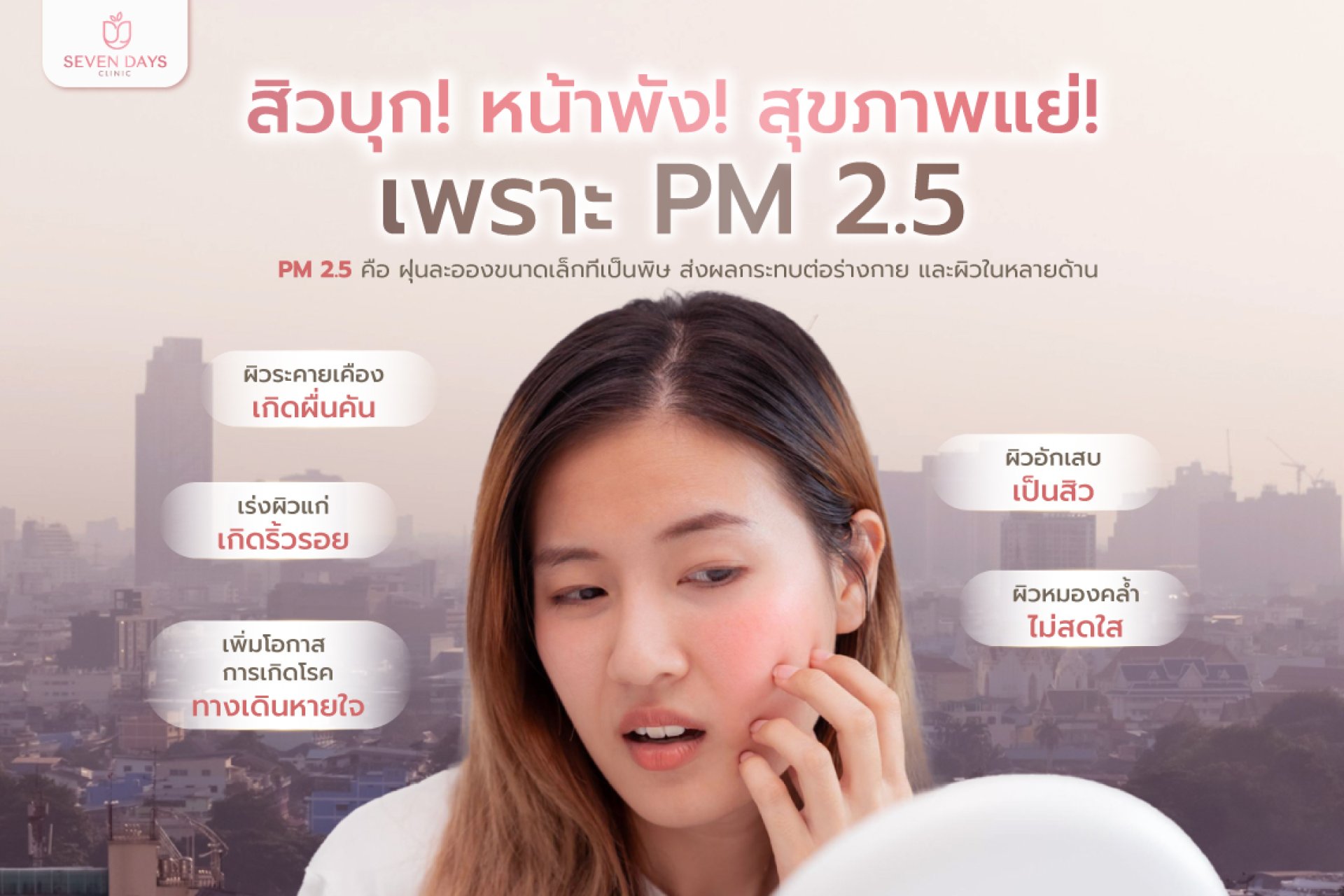
During periods of high PM2.5 levels, many people notice an increase in skin concerns such as clogged pores, acne breakouts, dullness, and irritation. While PM2.5 is widely known for its harmful effects on the respiratory system, it can also have a significant impact on skin health.
If you have been experiencing frequent acne flare-ups, sensitive skin, or a lackluster complexion during times of severe air pollution, understanding the effects of PM2.5 is the first step toward protecting both your skin and overall well-being.
What Is PM2.5?
PM2.5 (Particulate Matter 2.5) refers to fine airborne particles with a diameter of 2.5 micrometers or smaller—approximately 20 to 30 times thinner than a human hair.
Because of their microscopic size, these particles can bypass the body's natural filtration mechanisms and penetrate deep into the respiratory tract, reaching the lungs and even entering the bloodstream. This can result in both short-term and long-term health complications. Common sources of PM2.5 include:
- Vehicle emissions and traffic pollution
- Fuel combustion
- Industrial activities
- Open burning and agricultural fires
- Cigarette smoke and environmental pollutants
Health Risks Associated with PM2.5 Exposure
- Triggers Allergies and Respiratory Conditions Exposure to PM2.5 may cause symptoms such as:
- Coughing
- Sneezing
- Nasal congestion
- Throat irritation
- Shortness of breath
Individuals with allergies, asthma, or chronic respiratory diseases are particularly vulnerable to these effects.
2. Increases the Risk of Cardiovascular Disease
Fine particles can enter the bloodstream and contribute to systemic inflammation, potentially affecting circulation and increasing the long-term risk of heart and vascular diseases.
3. Weakens the Immune System
Prolonged exposure to PM2.5 may place additional stress on the body's immune defenses, making individuals more susceptible to infections and slowing recovery from illness.
How Does PM2.5 Affect Your Skin?
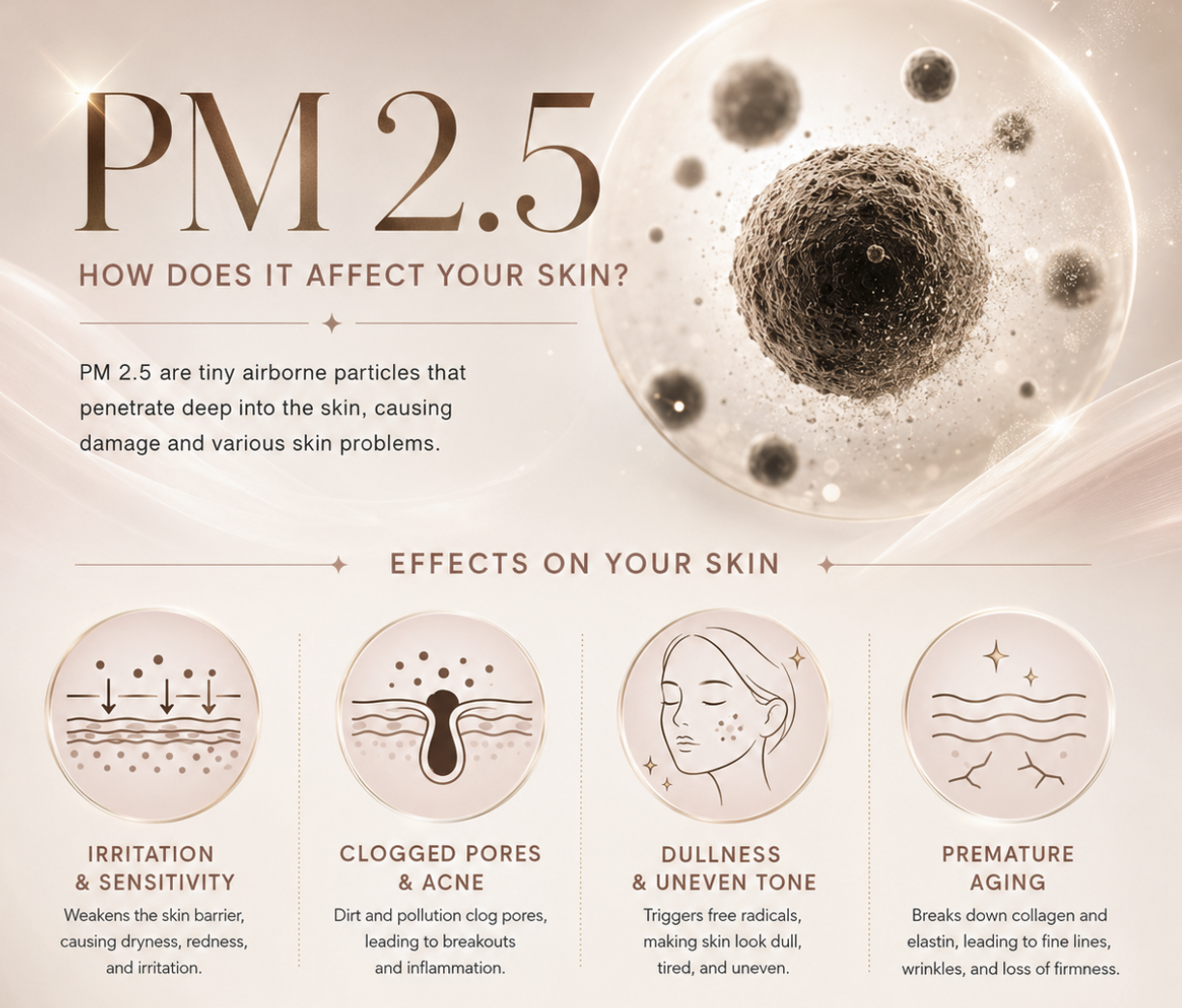
Many people are unaware that the skin serves as the body's first line of defense against environmental pollutants. Continuous exposure to PM2.5 can contribute to a wide range of skin concerns.
- Skin Irritation and Sensitivity
PM2.5 can disrupt the skin barrier, leading to moisture loss and increased sensitivity. As a result, the skin may become dry, red, itchy, and more prone to irritation. - Clogged Pores and Acne Breakouts
When fine particles accumulate on the skin and mix with excess oil, sweat, and makeup residue, they can clog pores and trigger acne, including inflammatory acne and comedonal acne. - Dull and Uneven Skin Tone
Air pollution promotes the formation of free radicals, which can leave the skin looking tired, dull, and uneven in tone. - Premature Skin Aging
Oxidative stress caused by environmental pollutants may damage collagen and elastin fibers, accelerating the development of fine lines, wrinkles, and skin laxity.
Signs Your Skin May Be Affected by PM2.5
If you notice the following symptoms during periods of poor air quality, your skin may be reacting to environmental pollution:
- Frequent acne breakouts
- Excess oil production
- Dry or flaky skin
- Redness and irritation
- Dull complexion
- Makeup not adhering smoothly
- Increased skin sensitivity
How to Protect Yourself from PM2.5
- Wear a Protective Face Mask
Choose a mask designed to filter fine particles, such as an N95 or KN95 respirator, when spending time outdoors. - Limit Outdoor Activities
On days with elevated PM2.5 levels, reduce unnecessary outdoor exposure and regularly monitor local air quality reports. - Stay Hydrated
Drinking enough water helps maintain overall health and supports skin hydration, especially when environmental conditions are harsh. - Consume Antioxidant-Rich Foods
Foods rich in antioxidants can help combat oxidative stress caused by pollution. Consider incorporating: Leafy green vegetables
Berries Citrus fruits Tomatoes Vitamins C and E into your daily diet.
6 Essential Skincare Tips During High PM2.5 Levels
1.Cleanse Your Skin Thoroughly Yet Gently
Use a gentle cleanser that effectively removes dirt, excess oil, and pollutants without compromising the skin barrier.
2. Avoid Touching Your Face Frequently
Hands can transfer dirt, bacteria, and pollutants onto the skin, increasing the risk of breakouts and irritation.
3. Apply Sunscreen Every Day
Daily sunscreen use helps protect the skin from UV damage while providing an additional layer of defense against environmental stressors.
4. Keep Your Skin Well Hydrated
A quality moisturizer helps strengthen the skin barrier, reduce moisture loss, and improve overall skin resilience.
5. Choose Gentle Skincare Products
Avoid harsh ingredients that may further irritate skin already stressed by pollution and environmental aggressors.
6. Support Skin Health from Within
A balanced diet, sufficient sleep, and appropriate nutritional support can help maintain healthier, stronger skin over time.
Recommended Skincare Essentials for Pollution Protection
During periods of high air pollution, skincare should focus on cleansing, hydration, barrier support, and antioxidant protection. Recommended products include:
- Gentle facial cleansers
- Hydrating serums
- Broad-spectrum sunscreen with high SPF
- Antioxidant supplements and skincare
- Products formulated to calm inflammation and acne-prone skin
By taking preventive measures and following an appropriate skincare routine, you can minimize the damaging effects of air pollution and maintain healthier, more resilient skin.
If you are experiencing persistent acne, irritation, or skin concerns related to environmental pollution, consulting a qualified medical professional can help you determine the most effective treatment and skincare approach for your individual needs.