Back Acne Treatment: Everything You Need to Know
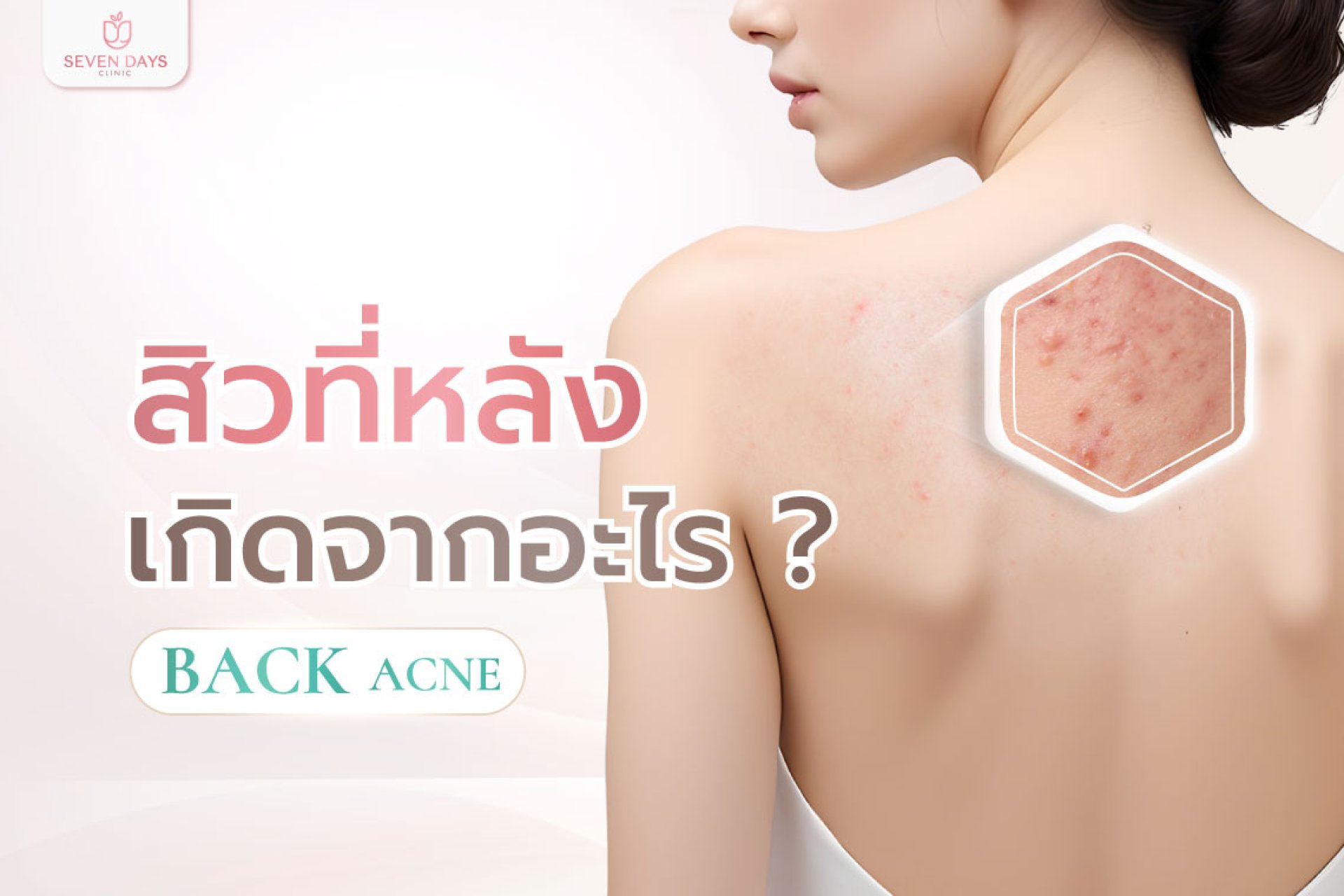
Can Back Acne Be Treated?
Everything You Need to Know Before Starting Treatment
Why does back acne keep coming back even when you take good care of your skin? Back acne is a common skin concern that affects people of all ages and genders. Beyond the physical discomfort, it can also impact self-confidence, especially when wearing backless clothing, swimwear, or fitted outfits.
The truth is that back acne is not caused by a single factor. It often develops as a result of multiple triggers that contribute to clogged pores and inflammation, including excessive sweating, humidity, hormonal fluctuations, and certain lifestyle habits. Understanding the underlying causes of back acne is the first step toward choosing the right treatment and preventing future breakouts.
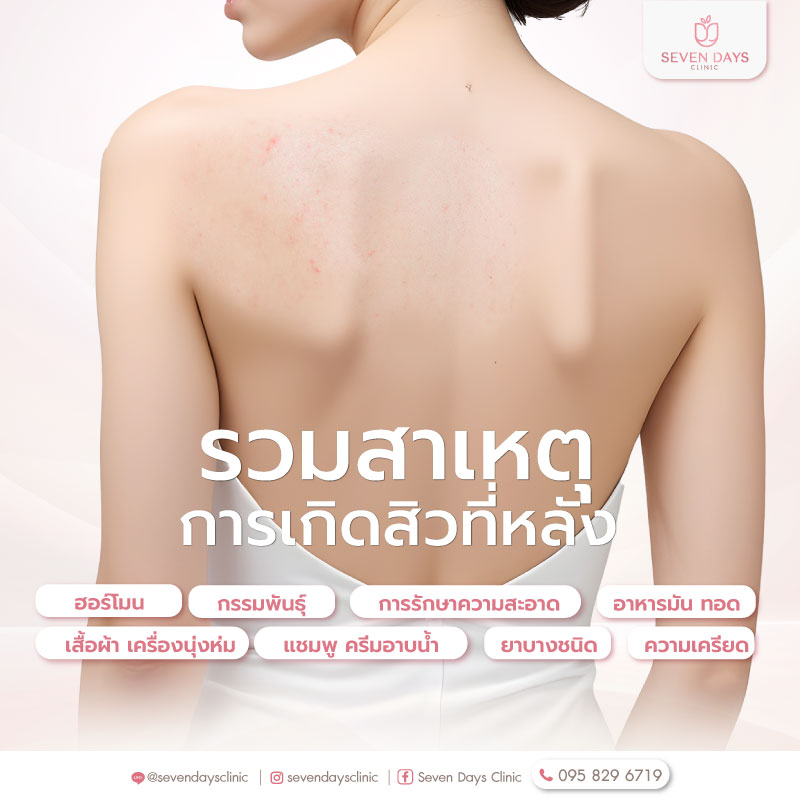
What Causes Back Acne?
The causes of back acne can generally be divided into two categories: internal factors and external factors.
Internal Factors
- Hormonal Changes
Fluctuations in hormone levels, particularly during puberty, menstruation, pregnancy, or hormonal imbalances, can stimulate the sebaceous glands to produce more oil. Excess oil production increases the likelihood of clogged pores and acne breakouts. - Genetics
If acne runs in your family, you may be more prone to developing back acne. Genetic factors can influence skin type, oil production, and the skin's susceptibility to acne. - Stress
Chronic stress can trigger hormonal responses that increase oil production and inflammation, potentially worsening existing acne and contributing to new breakouts.
External Factors
- Diet
Certain foods, particularly those high in sugar, refined carbohydrates, unhealthy fats, and processed ingredients, may contribute to acne flare-ups in some individuals. - Sweat and Humidity
The back contains a large number of sweat glands. Excessive sweating, especially after exercise or outdoor activities, can increase the risk of pore congestion and acne formation if the skin is not cleansed properly. - Poor Skin Hygiene
Because the back is difficult to reach, sweat, oil, and dirt can accumulate more easily. Inadequate cleansing may contribute to clogged pores and inflammation. - Certain Medications
Some medications, including corticosteroids and hormone-related treatments, may have side effects that trigger or worsen acne breakouts. - Clothing and Bedding
Tight-fitting clothing, fabrics that trap heat and moisture, and infrequently washed bedding or towels can create an environment that encourages bacterial growth and acne development.
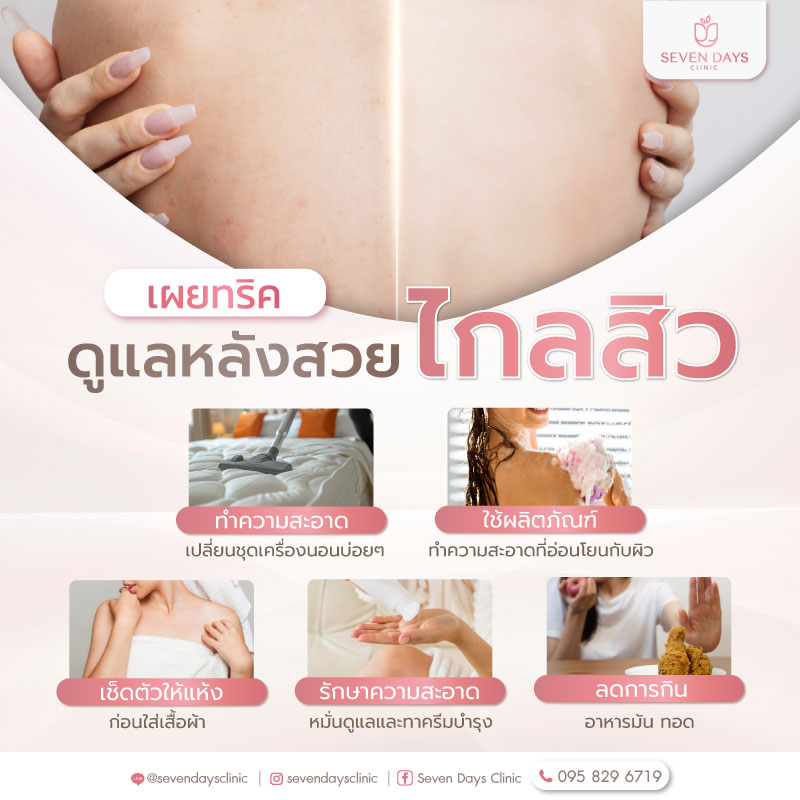
How to Care for and Prevent Back Acne
Preventing and managing back acne often begins with simple lifestyle adjustments that help reduce excess oil, sweat, and pore congestion.
1. Maintain Good Personal Hygiene
Shower promptly after exercising or engaging in activities that cause excessive sweating. Keeping the skin clean and dry can help minimize bacterial growth and reduce the risk of breakouts.
2. Wear Breathable Clothing
Choose clean, loose-fitting clothing made from breathable fabrics. This helps reduce friction, sweat retention, and irritation on the skin.
3. Change Bedding Regularly
Bedsheets, pillowcases, and blankets can accumulate oil, sweat, and bacteria over time. Regular washing helps maintain a cleaner environment for your skin.
4. Use Gentle, Non-Comedogenic Products
Select skincare and body care products that are labeled non-comedogenic and suitable for acne-prone skin. Avoid products that may clog pores or cause irritation.
5. Reduce Friction on the Back
Heavy backpacks, tight clothing, and prolonged pressure on the skin can contribute to irritation and acne flare-ups. Minimizing friction can help prevent breakouts.
6. Be Mindful of Hair Care Products
Conditioners, hair oils, and styling products may leave residue on the back during showers. Rinse thoroughly and cleanse the back after washing your hair.
7. Improve Dietary Habits
Limiting sugary foods, fried foods, and highly processed meals while maintaining a balanced diet rich in fruits, vegetables, and water may support overall skin health.
8. Avoid Picking or Squeezing Acne
Picking, scratching, or squeezing pimples can worsen inflammation, increase the risk of infection, and lead to post-acne marks or scarring.
Back Acne vs. Heat Rash: What's the Difference?
Many people assume that any bumps appearing on the back are acne. However, some cases may actually be heat rash or fungal folliculitis, both of which require different treatment approaches.
Characteristics of Back Acne
Back acne is caused by clogged pores combined with excess oil, dead skin cells, and bacteria. Common signs include:
- Whiteheads and blackheads
- Red, inflamed pimples
- Pustules containing pus
- Large, painful cystic acne lesions
- Bumps of varying sizes and appearances
- Dark spots or redness remaining after acne heals
Characteristics of Heat Rash
Heat rash occurs when sweat ducts become blocked, often during hot and humid weather. Typical signs include:
- Numerous small bumps
- Uniform-sized lesions
- Clusters of bumps spread across larger areas
- Mild itching or stinging sensations
- Commonly found on the back, chest, neck, and other sweaty areas
- Symptoms often improve when heat and moisture are reduced
How to Tell the Difference
Back acne usually presents with a mixture of acne lesions, including both clogged pores and inflamed pimples, and may leave behind acne marks. Heat rash, on the other hand, tends to appear as many small, similarly sized bumps and is often accompanied by itching.
If you develop numerous small bumps on the back or chest that resemble acne but are intensely itchy, especially after sweating, the condition may be fungal folliculitis (often referred to as fungal acne). A professional evaluation is recommended to ensure accurate diagnosis and appropriate treatment.
If your symptoms persist, recur frequently, or become severe, consulting a medical professional is the best way to identify the underlying cause and develop an effective treatment plan.
Habits That May Prevent Back Acne from Improving
Even with proper skincare, certain daily habits can make back acne more difficult to treat or cause recurring breakouts.
- Delaying Showers After Exercise
Sweat, oil, and dirt can remain on the skin after physical activity, increasing the likelihood of clogged pores and inflammation. - Wearing Unwashed or Reused Clothing
Dirty clothing can harbor sweat, bacteria, and debris that may irritate the skin and contribute to acne. - Not Changing Bedding and Towels Regularly
Bedsheets and towels can accumulate oil, dead skin cells, and bacteria, which may worsen acne-prone skin. - Inadequately Rinsing Hair Products
Residue from conditioners, hair oils, and styling products can clog pores when left on the skin. - Frequently Wearing Tight Clothing
Tight garments can create friction and trap sweat, increasing irritation and acne formation. - Picking or Squeezing Pimples
Manipulating acne lesions can worsen inflammation, increase the risk of infection, and lead to acne scars. - Consuming Acne-Triggering Foods Regularly
Diets high in sugar, unhealthy fats, and processed foods may contribute to acne flare-ups in some individuals. - Allowing Stress to Build Up
Long-term stress may influence hormone levels, increase oil production, and exacerbate acne symptoms. - By avoiding these habits and maintaining a consistent skincare routine, you can significantly reduce the likelihood of recurring back acne and support healthier, clearer skin.