Hiking and Skin Problems: 6 Common Skin Concerns & Care Tips
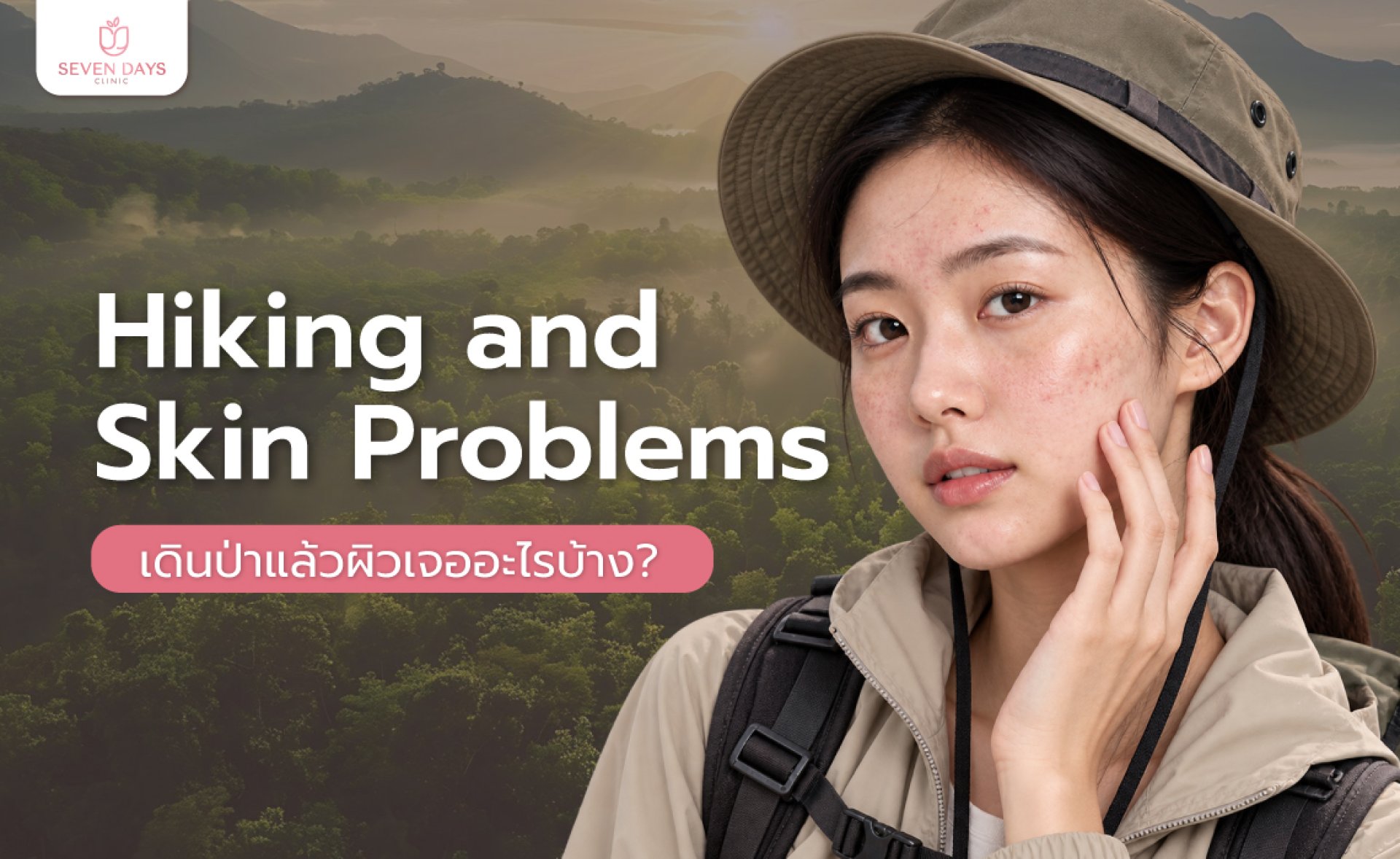
Hiking and Skin Problems: Common Skin Concerns and How to Care for Your Skin
In recent years, hiking has become an increasingly popular outdoor activity among fitness enthusiasts, travelers, and people looking to reconnect with nature while challenging themselves in new ways. More women are also becoming interested in hiking and other outdoor activities. With Thailand offering a wide variety of natural trails, forests, and mountainous landscapes, hikers can choose from beginner-friendly routes to more challenging trails for experienced adventurers.
However, while enjoying the outdoors, the skin is exposed to environmental conditions that may be very different from everyday life. Sun exposure, UV radiation, rain, humidity, sweat, dust, mosquitoes, and insect bites can all contribute to unexpected skin concerns. These may include sunburn, hyperpigmentation, skin irritation, rashes, acne, redness, and dark marks after insect bites.
In this article, Seven Days Clinic explores the common skin problems that may occur during and after hiking, along with practical tips on how to prepare, protect, and care for your skin. Understanding these risks can help hikers enjoy outdoor adventures while maintaining healthy skin before, during, and after each trip.
Why Can Hiking Affect Your Skin More Than You Think?
Hiking often involves spending several hours outdoors, exposing the skin to multiple environmental factors at the same time. These include sunlight and UV radiation, changing temperatures, humidity, sweat, dust, mosquitoes, and other insects. Each of these factors can affect the skin in different ways.
Prolonged exposure to ultraviolet (UV) radiation can cause redness, sunburn, and uneven skin tone. Meanwhile, sweat and humidity, combined with friction from hiking clothes, backpacks, footwear, and other equipment, may increase the risk of skin irritation, rashes, chafing, and acne in certain areas.
Mosquito and insect bites can also cause itching, swelling, and redness as part of the skin's inflammatory response. Scratching the affected area may further irritate or damage the skin and increase inflammation. In some individuals, this inflammation can leave behind persistent dark marks known as post-inflammatory hyperpigmentation (PIH).
The longer the hike—or when hiking continues over several consecutive days—the longer the skin may be exposed to these environmental stressors. Proper preparation, sun protection, skin care, and prevention of insect bites and friction are therefore important for reducing the risk of hiking-related skin problems and maintaining healthy skin throughout the trip.
6 Common Skin Problems Hikers May Experience
Hiking exposes the skin to a variety of environmental conditions throughout the day, including sun exposure, sweat, humidity, insects, and friction from clothing and hiking equipment. These factors can contribute to different skin concerns both during the hike and after returning from the trip. Six common hiking-related skin problems include:
1. Sunburn and Hyperpigmentation from UV Exposure
Hiking often involves spending several hours outdoors, which means the skin may be continuously exposed to UVA and UVB radiation, particularly on uncovered areas such as the face, neck, ears, arms, hands, and legs. Without adequate sun protection, prolonged UV exposure can cause skin redness, a burning sensation, and sunburn.
UV radiation can also stimulate melanin production, which may cause the skin to appear darker or contribute to uneven skin tone and hyperpigmentation. This is particularly relevant during long hikes or when sunscreen is not reapplied appropriately throughout the day. Even when the weather is cool or cloudy in mountainous areas, the skin can still be exposed to UV radiation.
2. Redness and Dark Marks from Mosquito and Insect Bites
Mosquitoes, ants, and other insects can be difficult to avoid when spending time in forests and natural environments. After an insect bite, the skin may develop raised bumps, swelling, redness, and itching as part of the body's local inflammatory response.
Because insect bites can be itchy, repeated scratching or picking may further irritate the skin and increase inflammation. As the inflammation resolves, some individuals may be left with persistent discoloration, particularly post-inflammatory hyperpigmentation (PIH). As a result, the hiking trip may be over, but dark marks from mosquito or insect bites can remain visible for some time afterward.
3. Itchy Rashes and Skin Irritation from Rain and Humidity
Weather conditions can change quickly during a hike, particularly during the rainy season. Walking in the rain or wearing wet clothing for extended periods can expose the skin to a combination of moisture, sweat, and repeated friction, which may increase the risk of skin irritation and chafing.
Problems are more likely to occur in areas where moisture becomes trapped or where skin and clothing repeatedly rub together, such as the underarms, groin, under the breasts, inner thighs, and feet. Symptoms may include redness, itching, burning, or a rash, particularly in individuals with sensitive or easily irritated skin.
4. Acne and Heat Rash from Sweat
Hiking uphill or walking for extended periods can lead to significant sweating. When sweat, excess oil, dirt, and friction occur together, they may contribute to clogged pores and skin irritation, particularly in areas covered by clothing or hiking equipment for long periods.
This may contribute to acne breakouts, heat rash, or small bumps on areas such as the forehead, chest, back, and shoulders, including areas underneath backpack straps. The risk of irritation may increase when sweat-soaked clothing remains in contact with the skin for extended periods.
5. Chafing, Calluses, and Darkened Skin from Friction
Several hours of hiking involve thousands of repetitive movements, from walking uphill and downhill to holding trekking poles, carrying a backpack, and experiencing repeated contact with footwear and clothing. As a result, certain areas of the skin may be exposed to continuous pressure and friction.
In the short term, friction can cause redness, burning, chafing, or superficial abrasions. With repeated friction over time, the skin may become thicker and develop calluses, while some areas may also become darker due to repeated irritation. Common areas include the shoulders, inner thighs, feet, palms, knees, and elbows, particularly among frequent hikers or those participating in long-distance hikes.
6. Contact Dermatitis from Plants and Environmental Exposure
During a hike, the skin may come into contact with unfamiliar plants, plant sap, or other substances in the natural environment. In some individuals, these exposures can trigger contact dermatitis or irritant skin reactions.
Symptoms may include redness, itching, burning, swelling, or a rash in the area of contact, with severity varying from person to person. If the rash becomes severe, swelling is significant, blisters develop, the rash spreads, or other concerning symptoms occur, contact with the suspected trigger should be avoided and the affected individual should seek medical evaluation.
How to Prepare Your Skin Before Hiking and Reduce the Risk of Skin Problems
Preparing for a hike involves more than getting your body, footwear, and hiking equipment ready. Preparing and protecting your skin before hiking is equally important, as the skin may be exposed to sunlight, UV radiation, sweat, humidity, dust, and insects for several hours. Taking preventive measures before heading outdoors can help reduce the risk of common hiking-related skin problems during the trip.
- Apply sunscreen before your hike. Choose a broad-spectrum sunscreen that provides protection against both UVA and UVB radiation. Apply it thoroughly to exposed areas, particularly the face, neck, ears, arms, hands, and other areas not covered by clothing.
- Choose appropriate hiking clothing. Long-sleeved shirts, long pants, and breathable, quick-drying fabrics can help reduce direct sun exposure, protect the skin from insects, and minimize prolonged moisture against the skin.
- Bring insect repellent. Choose an insect repellent that is suitable for use on the skin and follow the product instructions carefully to help protect against mosquitoes and other insects.
- Avoid irritating skincare products before your trip. If the skin is already dry, peeling, sensitive, or irritated, focus on gentle skincare and adequate moisturization rather than products that may further irritate the skin.
- Use additional sun-protective accessories. Hats, sunglasses, and protective clothing can provide additional protection and help reduce direct exposure to UV radiation.
How to Protect Your Skin from Sun, Sweat, and Rain While Hiking
Even with good preparation, the skin continues to be exposed to environmental factors throughout a long hike. Skin care while hiking is therefore important, particularly when spending several hours outdoors in the sun, heat, humidity, or rain.
- Reapply sunscreen throughout the day. Reapplication is particularly important after heavy sweating, wiping the face or skin, and during prolonged outdoor exposure.
- Gently blot away sweat instead of rubbing the skin. Repeated rubbing can increase friction and irritation, especially when the skin is already warm or moist.
- Avoid remaining in wet or damp clothing for long periods. If possible, change into dry clothing to reduce prolonged moisture, friction, and skin irritation.
- Avoid scratching mosquito or insect bites. Repeated scratching can further damage and inflame the skin, potentially causing wounds and increasing the risk of post-inflammatory hyperpigmentation (PIH) or dark marks after the inflammation resolves.
- Avoid direct contact with unfamiliar plants. This is particularly important for individuals with sensitive skin or a history of allergic or irritant skin reactions.
- Pay attention to areas affected by friction. Areas such as the shoulders, inner thighs, feet, and skin underneath backpack straps may be more prone to chafing. If the skin begins to feel sore, painful, or irritated, try to reduce friction and pressure on the affected area whenever possible.
How to Care for Your Skin After Hiking
After hiking, the skin may feel dry, irritated, or sensitive due to prolonged exposure to sunlight, UV radiation, sweat, dust, humidity, and friction. Some individuals may also experience sunburn, acne breakouts, redness, or dark marks from insect bites. Proper skincare after hiking can help remove accumulated dirt and sweat, restore skin moisture, reduce irritation, and support the skin's natural recovery process. To care for your skin after hiking, consider the following skincare tips:
- Gently cleanse your skin: Wash your face and body with a mild cleanser to remove sweat, excess oil, dirt, and sunscreen. Avoid harsh scrubbing, especially if the skin is already red, irritated, or sunburned.
- Restore skin moisture: Apply a gentle moisturizer to help replenish moisture and support the skin barrier. Choose fragrance-free products if your skin feels sensitive or irritated after prolonged outdoor exposure.
- Soothe sunburned or irritated skin: If your skin feels hot, red, or uncomfortable after sun exposure, use a cool compress to help relieve discomfort. Avoid hot showers, harsh exfoliation, and skincare products that may further irritate the affected areas.
- Take care of insect bites and dark marks: Avoid scratching or picking at mosquito and insect bites, as this may increase inflammation and contribute to post-inflammatory hyperpigmentation (PIH). Keep the affected areas clean and avoid applying irritating skincare products to broken skin.
- Avoid excessive exfoliation: If your skin is dry, peeling, sunburned, or irritated, temporarily avoid strong exfoliating products, including AHA, BHA, and retinoids, until the skin has recovered.
- Continue protecting your skin from UV exposure: Apply broad-spectrum sunscreen with SPF 30 or higher when spending time outdoors. Consistent sun protection can help prevent further sun damage and reduce the risk of existing dark marks becoming more noticeable.
If skin redness, irritation, or dark spots persist after hiking, consider consulting a doctor for a skin assessment and appropriate care. Individuals experiencing severe sunburn, extensive blistering, or signs of skin infection should seek medical evaluation.
Programs for Redness, Dark Spots, and Hyperpigmentation at Seven Days Clinic
For those who experience redness, dark spots, or uneven skin tone after hiking, Seven Days Clinic offers a variety of skin treatment programs that can be selected according to the type of skin concern and treatment area, such as the IPL Program, Skin Bright Program, as well as other programs designed to address skin discoloration and pigmentation concerns. A skin assessment is recommended before treatment to determine the appropriate technology and develop a treatment plan tailored to each individual's skin condition and concerns.
If the skin still has open wounds, rashes, active infections, or inflammation, these conditions should be appropriately treated and allowed to recover before considering aesthetic treatments.
Summary: Skin Care Tips for Hikers
Hiking offers a combination of exercise, physical challenges, and the opportunity to experience nature. At the same time, however, the skin is exposed to sunlight, UV radiation, sweat, rain, humidity, dust, insects, and friction, all of which may contribute to skin concerns ranging from sunburn, itchy rashes, acne, and redness to dark spots, hyperpigmentation, and uneven skin tone.
The key to maintaining healthy skin while hiking is proper care before, during, and after the trip. This includes protecting the skin from UV exposure, minimizing prolonged moisture and friction, avoiding scratching mosquito or insect bites, and using gentle skincare to support skin recovery after hiking.
If redness, dark spots, hyperpigmentation, or uneven skin tone remain noticeable or do not improve after returning from a hiking trip, you can consult a doctor at Seven Days Clinic for a skin assessment and a personalized treatment plan based on your individual skin concerns, helping you care for your skin and feel ready for your next outdoor adventure .